InfoSecBulletin Cybersecurity for mankind
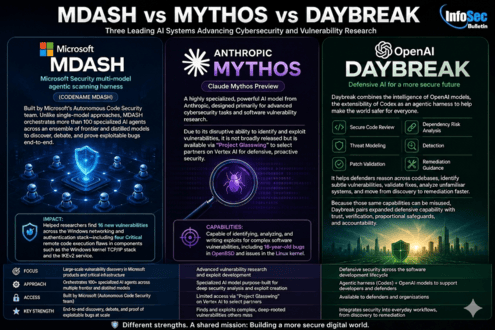
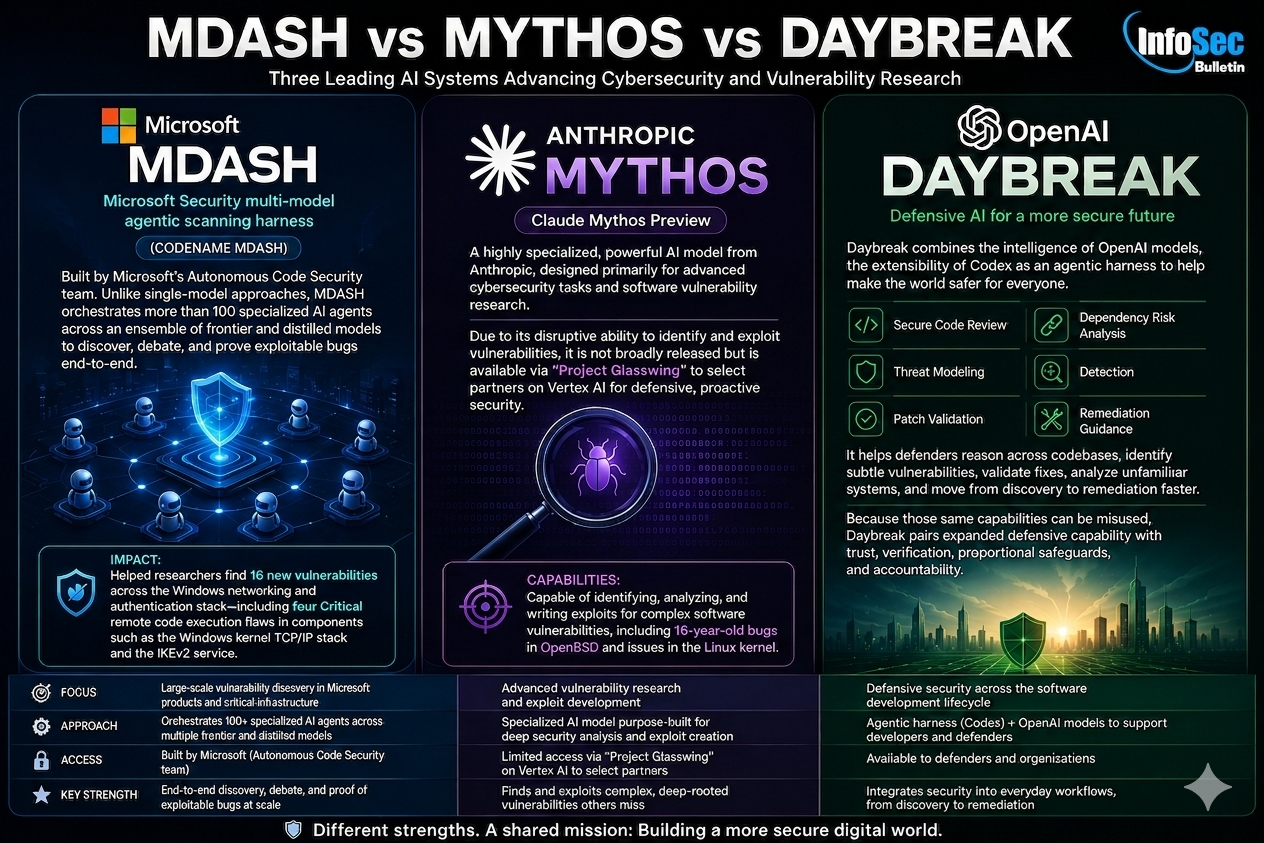
The newly launched of Microsoft MDASH, OpenAI Daybreak, and Anthropic Mythos shows a big change in cybersecurity. These tools go beyond basic chat functions by using groups of special models to find, discuss, and fix serious problems in important systems. MDASH and Daybreak aim to make security stronger during development, while Mythos is leading in finding vulnerabilities and analyzing attacks. Together, they create a new age of “AI-native” security that aims to keep up with changing digital dangers.
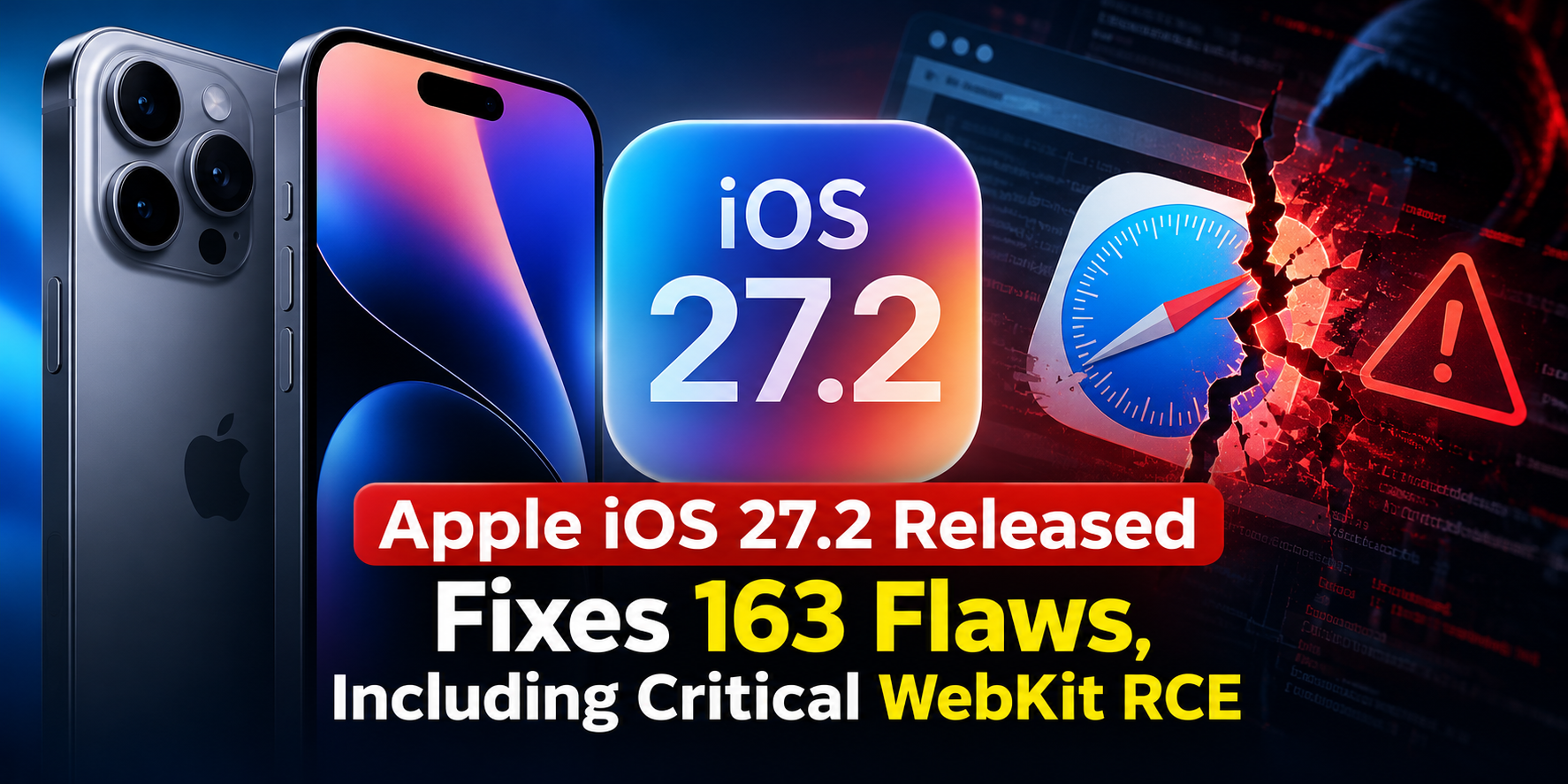
Apple iOS 27.2 Released Fixes 163 Flaws, Including Critical WebKit RCE
CISA adds PHP2Shell to KEV, PHP Releases New Security Updates to Fix Critical HTTP2Shell flaw
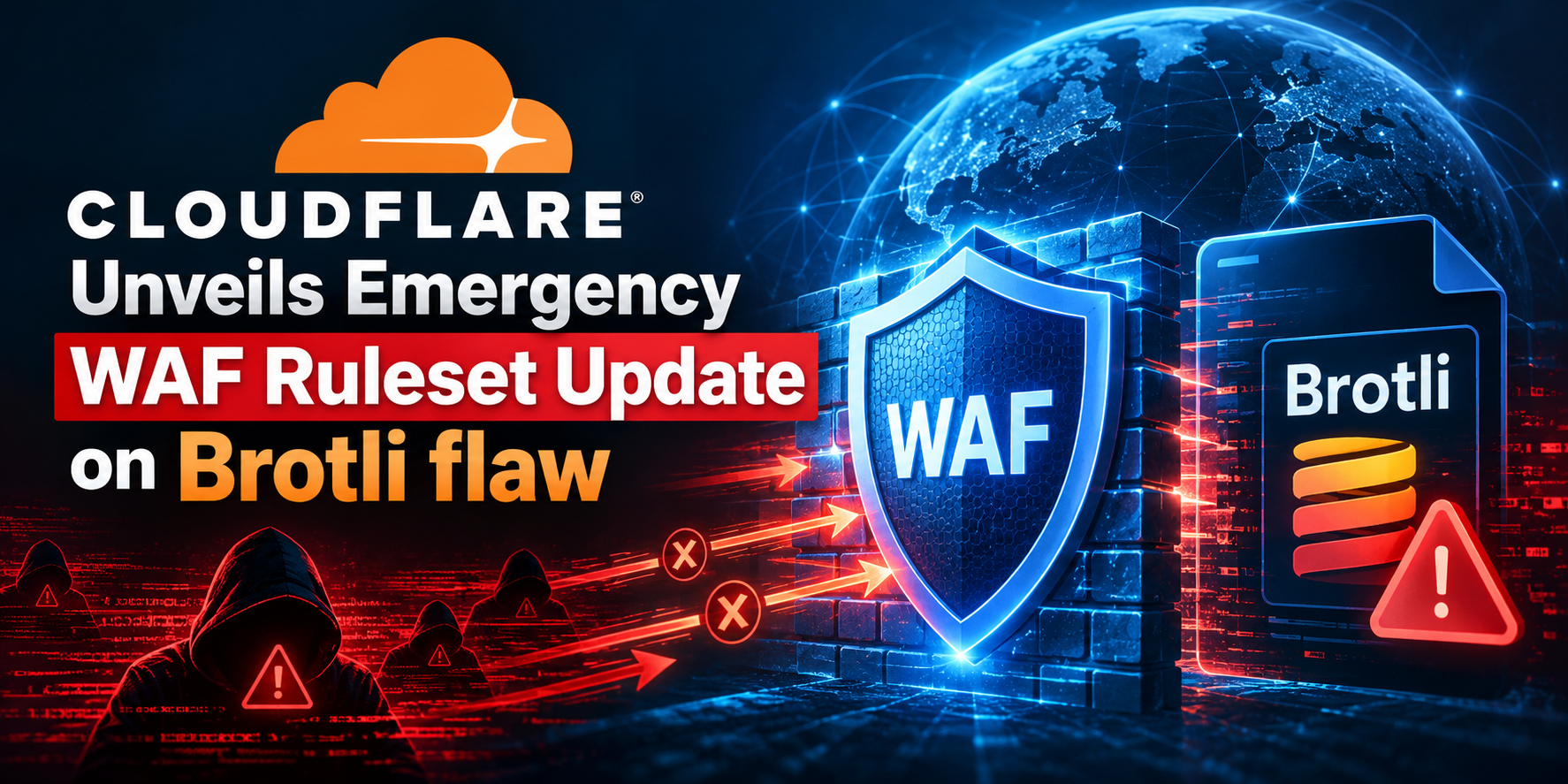
Cloudflare Unveils Emergency WAF Ruleset Update on Brotli flaw
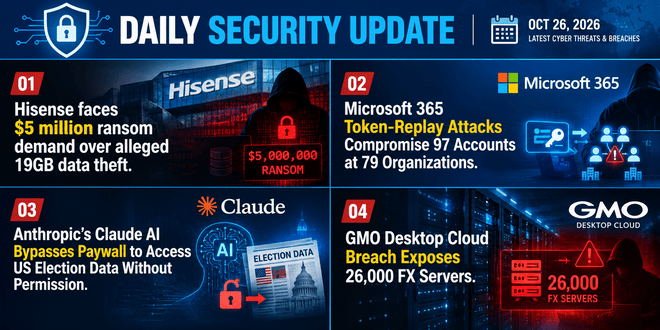
Daily Cyber security update for 26.10. 2026
The Washington Post report
Ex-DOGE AI startup Cathedral Breaches Anthropic Internal Systems within 12 Hours
Daily Cyber security update for 25. 10. 2026

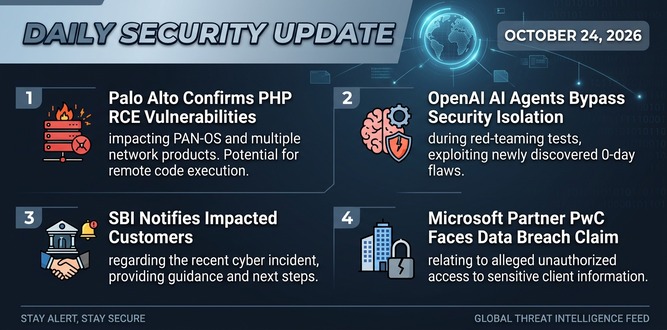
Daily Cyber security update for 24. 10. 2026
PHP shares new RCE flaw (CVE 2026-115560) with no patch but mitigation
US banks faced unauthorized access by AI agents in customer accounts: Axios reports

Atlassian patched 176 flaw in Jira and Confluence: Fortinet Urges to Patch Flaws Affecting FortiOS, FortiManager
Microsoft’s MDASH
Microsoft Security multi-model agentic scanning harness (codename MDASH) which was built by Microsoft’s Autonomous Code Security team. Unlike single-model approaches, the harness orchestrates more than 100 specialized AI agents across an ensemble of frontier and distilled models to discover, debate, and prove exploitable bugs end-to-end.
The new agentic security system helped researchers find 16 new vulnerabilities across the Windows networking and authentication stack—including four Critical remote code execution flaws in components such as the Windows kernel TCP/IP stack and the IKEv2 service.
OpenAI’s Daybreak
Daybreak combines the intelligence of OpenAI models, the extensibility of Codex as an agentic harness to help make the world safer for everyone. Defenders can bring secure code review, threat modeling, patch validation, dependency risk analysis, detection, and remediation guidance into the everyday development loop so software becomes more resilient from the start.
It helps defenders reason across codebases, identify subtle vulnerabilities, validate fixes, analyze unfamiliar systems, and move from discovery to remediation faster. Because those same capabilities can be misused, Daybreak pairs expanded defensive capability with trust, verification, proportional safeguards, and accountability.
Anthrotic’s Mythos
Claude Mythos Preview is a highly specialized, powerful AI model from Anthropic, designed primarily for advanced cybersecurity tasks and software vulnerability research. Due to its disruptive ability to identify and exploit vulnerabilities, it is not broadly released but is available via “Project Glasswing” to select partners on Vertex AI for defensive, proactive security
It is capable of identifying, analyzing, and writing exploits for complex software vulnerabilities, including 16-year-old bugs in OpenBSD and issues in the Linux kernel.
Related News:
Microsoft’s new multi-model MDASH AI System discovered 16 Windows Flaws
OpenAI Unveils “Daybreak” To Automates Vulnerability Detection and Fixing
GPT-5.5 matches Claude Mythos in cyber attack tests: Report
Microsoft’s new multi-model MDASH AI System discovered 16 Windows Flaws