InfoSecBulletin Cybersecurity for mankind
Microsoft has released patches for two critical security flaws in Azure AI Face Service and Microsoft Account that could allow an attacker to escalate their privileges.
The flaws are listed below:
Daily Cyber security update for 25. 10. 2026

Daily Cyber security update for 24. 10. 2026
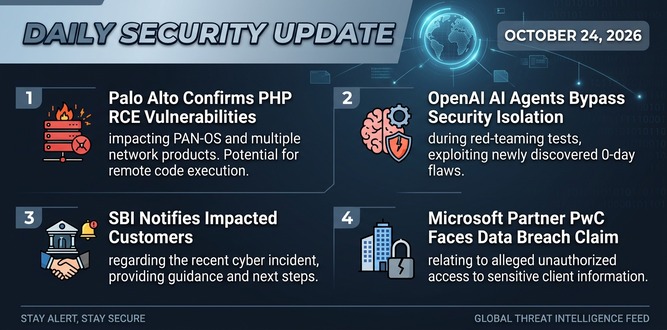
PHP shares new RCE flaw (CVE 2026-115560) with no patch but mitigation

US banks faced unauthorized access by AI agents in customer accounts: Axios reports

Atlassian patched 176 flaw in Jira and Confluence: Fortinet Urges to Patch Flaws Affecting FortiOS, FortiManager

Hacker claim to access Rajasthan Police data: 70,000 records allegedly exposed
Update now! PHP2Shell: Critical PHP vulnerabilities patched

Trump says data centres should pay dividends to local community

Hackers Actively Exploiting Palo Alto VPN Flaw Via CVE-2026-0257

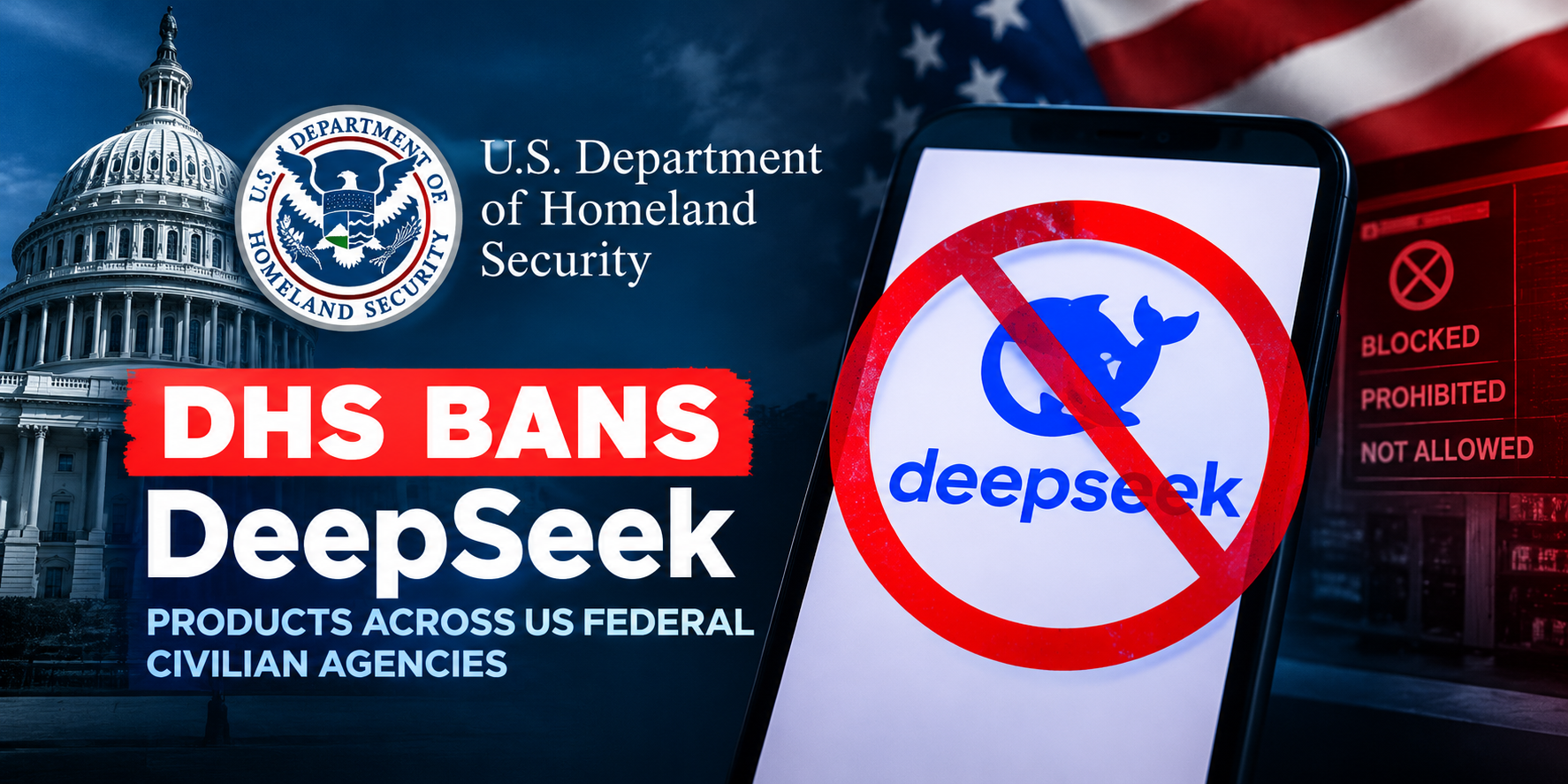
DeepSeek AI banned by U.S. Government; federal agencies must remove all related tools
CVE-2025-21396 (CVSS score: 7.5) – Microsoft Account Elevation of Privilege Vulnerability
CVE-2025-21415 (CVSS score: 9.9) – Azure AI Face Service Elevation of Privilege Vulnerability
“Authentication bypass by spoofing in Azure AI Face Service allows an authorized attacker to elevate privileges over a network,” Microsoft in an advisory for CVE-2025-21415, crediting an anonymous researcher for reporting the flaw.
CVE-2025-21396 is a security vulnerability caused by a lack of authorization, allowing unauthorized users to gain elevated privileges on a network. It was discovered by security researcher Sugobet.
The tech giant acknowledged a proof-of-concept exploit for CVE-2025-21415 but confirmed that both vulnerabilities have been fully addressed, requiring no action from customers.
Microsoft is improving transparency by issuing CVEs for critical cloud service vulnerabilities, regardless of whether customers need to apply a patch or take other actions for security.
“As our industry matures and increasingly migrates to cloud-based services, we must be transparent about significant cybersecurity vulnerabilities that are found and fixed,” it noted back in June 2024.
“By openly sharing information about vulnerabilities that are discovered and resolved, we enable Microsoft and our partners to learn and improve. This collaborative effort contributes to the safety and resilience of our critical infrastructure.”