InfoSecBulletin Cybersecurity for mankind

Bank Negara Malaysia (BNM) and Payments Network Malaysia (PayNet) are developing an AI-driven fraud detection system targeted for rollout in 2026. The system will use machine learning, large language models and predictive analytics to identify suspicious transactions before they are completed.
BNM deputy governor Datuk Marzunisham Omar said the system will alert users to potential scams and prompt them to confirm transactions, forming part of BNM’s wider push to curb mule accounts and online fraud.
Daily Cyber security update for 24. 10. 2026
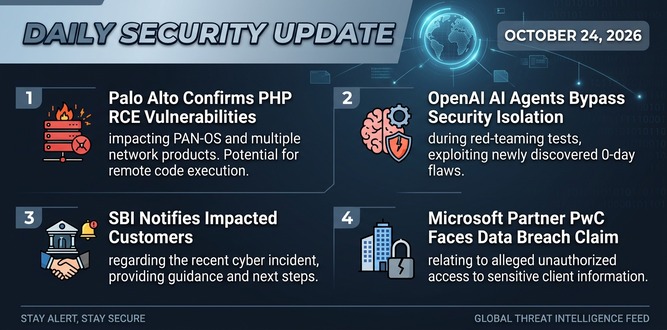
PHP shares new RCE flaw (CVE 2026-115560) with no patch but mitigation

US banks faced unauthorized access by AI agents in customer accounts: Axios reports

Atlassian patched 176 flaw in Jira and Confluence: Fortinet Urges to Patch Flaws Affecting FortiOS, FortiManager

Hacker claim to access Rajasthan Police data: 70,000 records allegedly exposed

Update now! PHP2Shell: Critical PHP vulnerabilities patched

Trump says data centres should pay dividends to local community

Hackers Actively Exploiting Palo Alto VPN Flaw Via CVE-2026-0257

DeepSeek AI banned by U.S. Government; federal agencies must remove all related tools

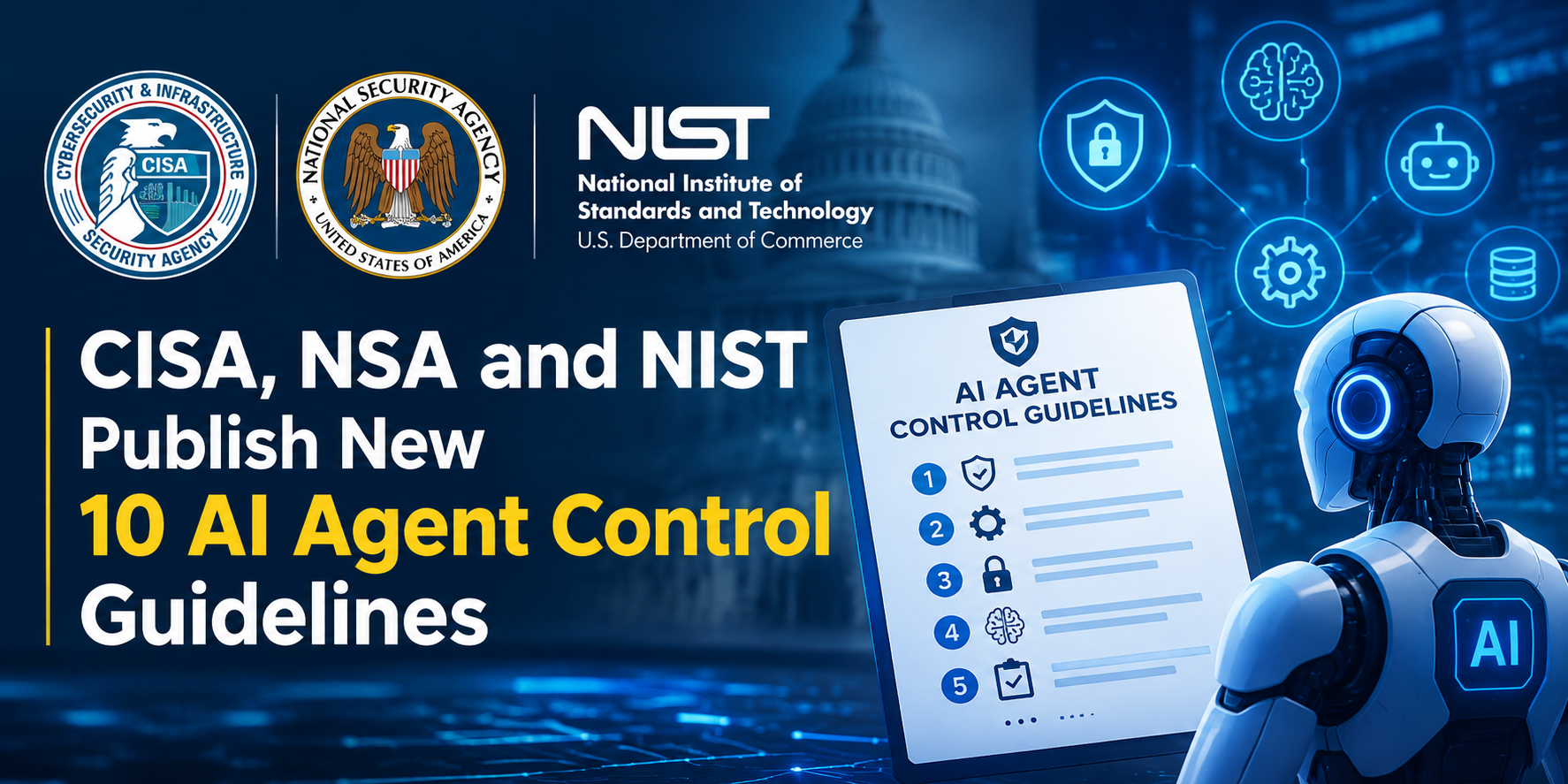
CISA, NSA and NIST Publish New 10 AI Agent Control Guidelines
According to Marzunisham, a survey by the Asian Institute of Chartered Bankers (AICB) found that more than 70% of financial institutions in Malaysia are already exploring AI and generative AI applications.
He added that the project aligns with BNM’s broader digitalisation agenda, which includes the Digital Asset Innovation Hub launched in June 2025. The hub serves as a secure space for regulators, financial institutions and fintech firms to develop and test new digital financial solutions.
Marzunisham also cited a 2024 AI survey by the Asian Institute of Chartered Bankers showing that over 70 percent of Malaysian financial institutions have implemented or are exploring AI and generative AI tools.
PayNet is simultaneously working on a federated AI model known as FinancialGPT to strengthen fraud detection and enhance payment system security.
PayNet chief of staff Dr Endry Lim Zhen Wan said the model will be trained entirely on local financial data to improve cybersecurity and ensure sensitive information stays within Malaysia.
The initiative comes amid rising online scams. The Home Ministry reported RM1.12 billion in losses during the first half of 2025, following RM1.58 billion in 2024.
BNM and PayNet had earlier launched the National Fraud Portal in August 2024 to automate scam reporting, trace stolen funds and enable faster data sharing between banks.