 InfoSecBulletin Cybersecurity for mankind

Hacker specially target on the 2025 holiday season and that has seen a surge in cyber threats, as attackers utilize advanced infrastructure to take advantage of increased online shopping. This year, criminals are using automated tools to expand their deceptive digital operations across various merchant categories.
These campaigns mainly use fake websites that imitate real retailers to collect sensitive consumer information during busy shopping times. Over 18,000 holiday-themed domains have been registered in the last three months, highlighting a major sign of the pre-holiday push.
Daily Cyber security update for 24. 10. 2026
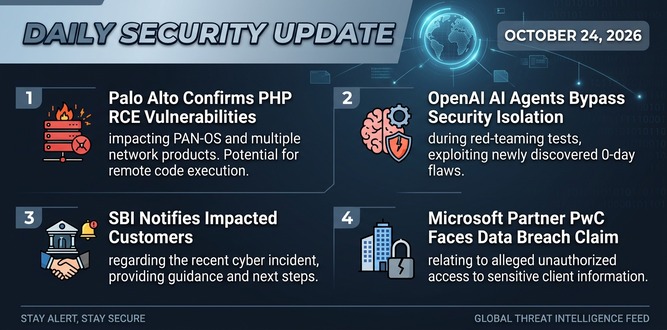
PHP shares new RCE flaw (CVE 2026-115560) with no patch but mitigation

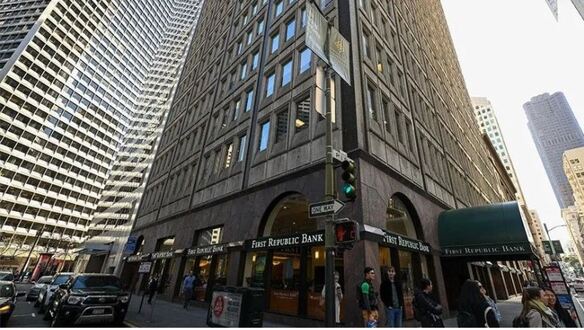
US banks faced unauthorized access by AI agents in customer accounts: Axios reports
Atlassian patched 176 flaw in Jira and Confluence: Fortinet Urges to Patch Flaws Affecting FortiOS, FortiManager

Hacker claim to access Rajasthan Police data: 70,000 records allegedly exposed
Update now! PHP2Shell: Critical PHP vulnerabilities patched

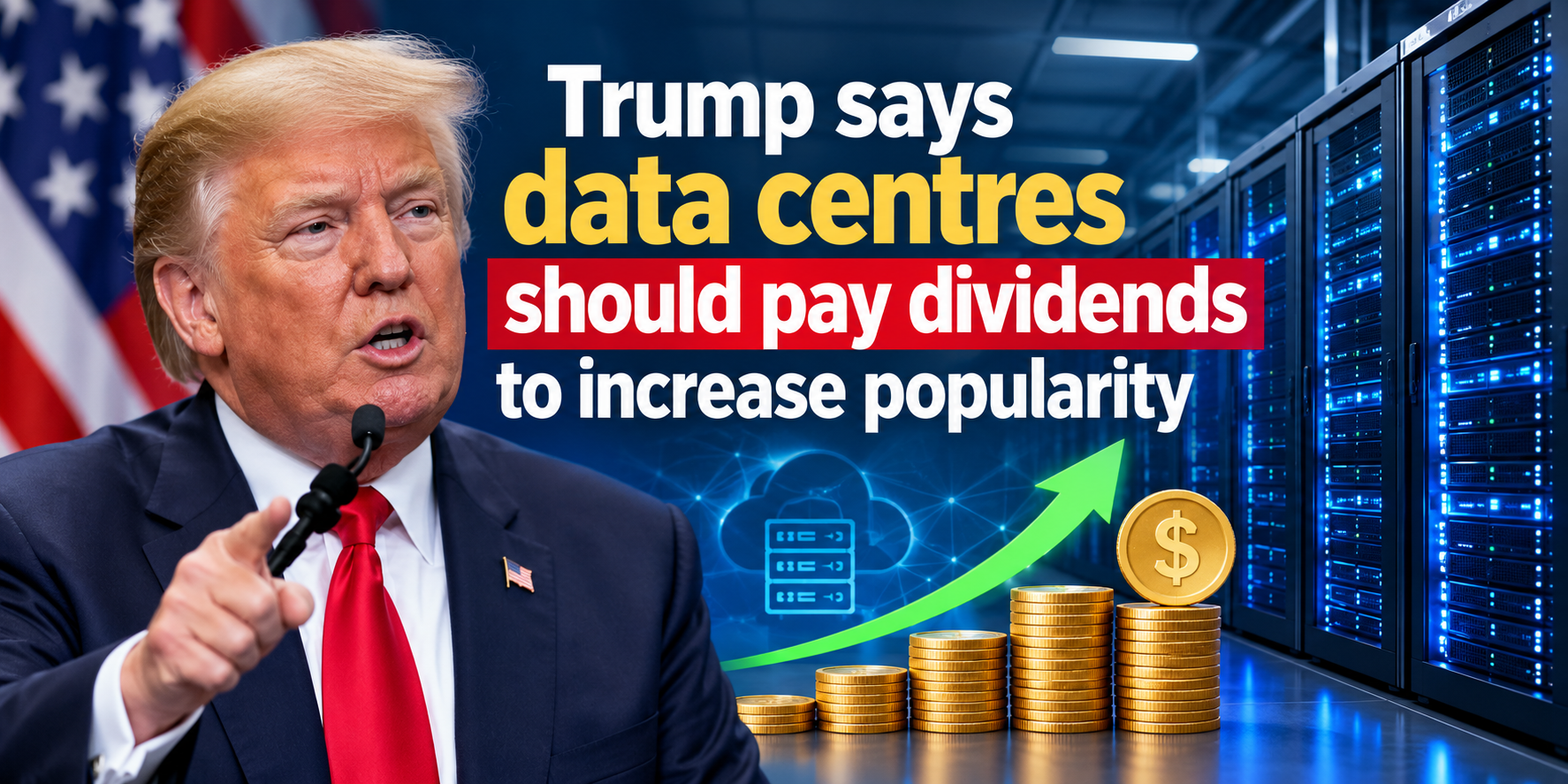
Trump says data centres should pay dividends to local community
Hackers Actively Exploiting Palo Alto VPN Flaw Via CVE-2026-0257

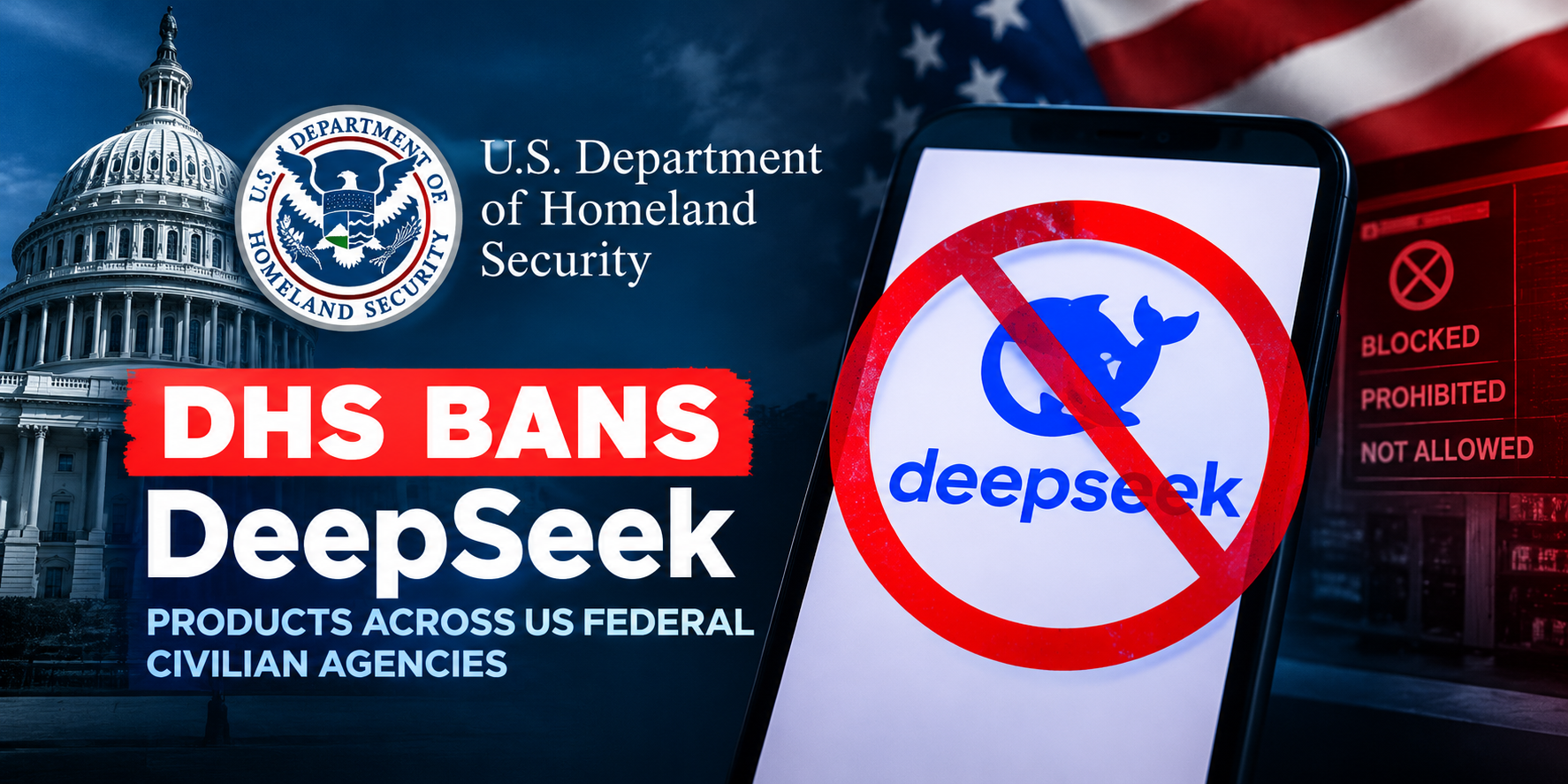
DeepSeek AI banned by U.S. Government; federal agencies must remove all related tools
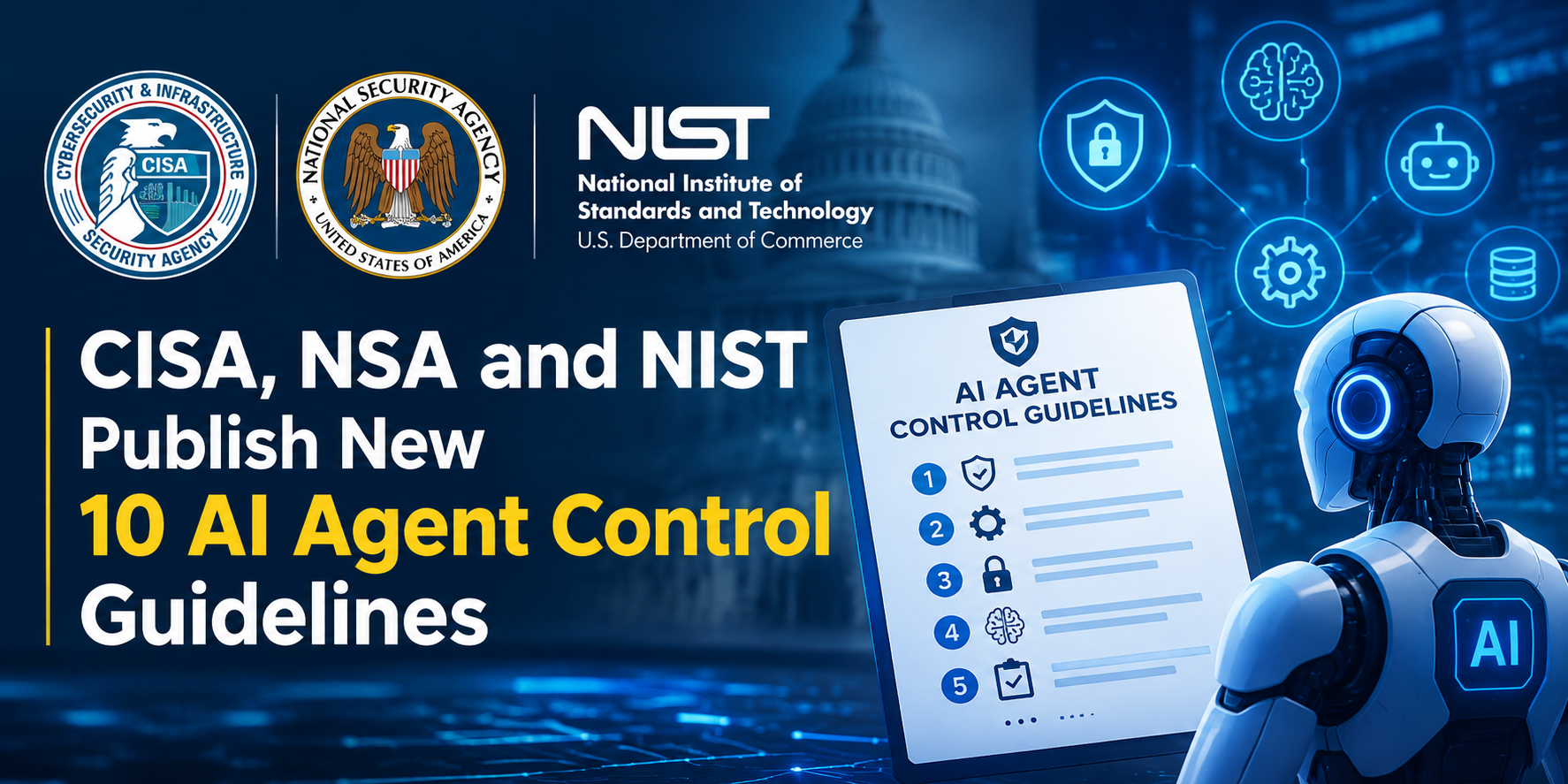
CISA, NSA and NIST Publish New 10 AI Agent Control Guidelines
Targeting high-traffic keywords such as “Christmas,” “Black Friday,” and “Flash Sale,” these domains serve as the backbone for phishing schemes and fraudulent storefronts.
Many of these sites resemble well-known brands with small URL changes, making them hard to tell apart for busy shoppers. Many of these domains are inactive to avoid detection, but hundreds are already used for gift card scams and payment theft.
Fortinet analysts discovered a vast network of malicious infrastructure that enables successful SEO poisoning. Attackers boost the rankings of harmful URLs to make their fake sites show up with real results during busy times.
Researchers reported a concerning increase in credential theft, with over 1.57 million login accounts from major e-commerce sites being sold on underground markets.
These “stealer logs” contain browser-stored passwords, cookies, and session tokens, enabling rapid account takeovers that bypass traditional login defenses .