InfoSecBulletin Cybersecurity for mankind
GitLab, a platform for DevOps tools, released critical updates for its Community Edition (CE) and Enterprise Edition (EE). The new versions, 17.1.1, 17.0.3, and 16.11.5, include security and bug fixes. Users should upgrade now to protect their installations from possible exploits.
Key Security Fixes:
US banks faced unauthorized access by AI agents in customer accounts: Axios reports

Atlassian patched 176 flaw in Jira and Confluence: Fortinet Urges to Patch Flaws Affecting FortiOS, FortiManager

Hacker claim to access Rajasthan Police data: 70,000 records allegedly exposed
Update now! PHP2Shell: Critical PHP vulnerabilities patched
Trump says data centres should pay dividends to local community

Hackers Actively Exploiting Palo Alto VPN Flaw Via CVE-2026-0257

DeepSeek AI banned by U.S. Government; federal agencies must remove all related tools

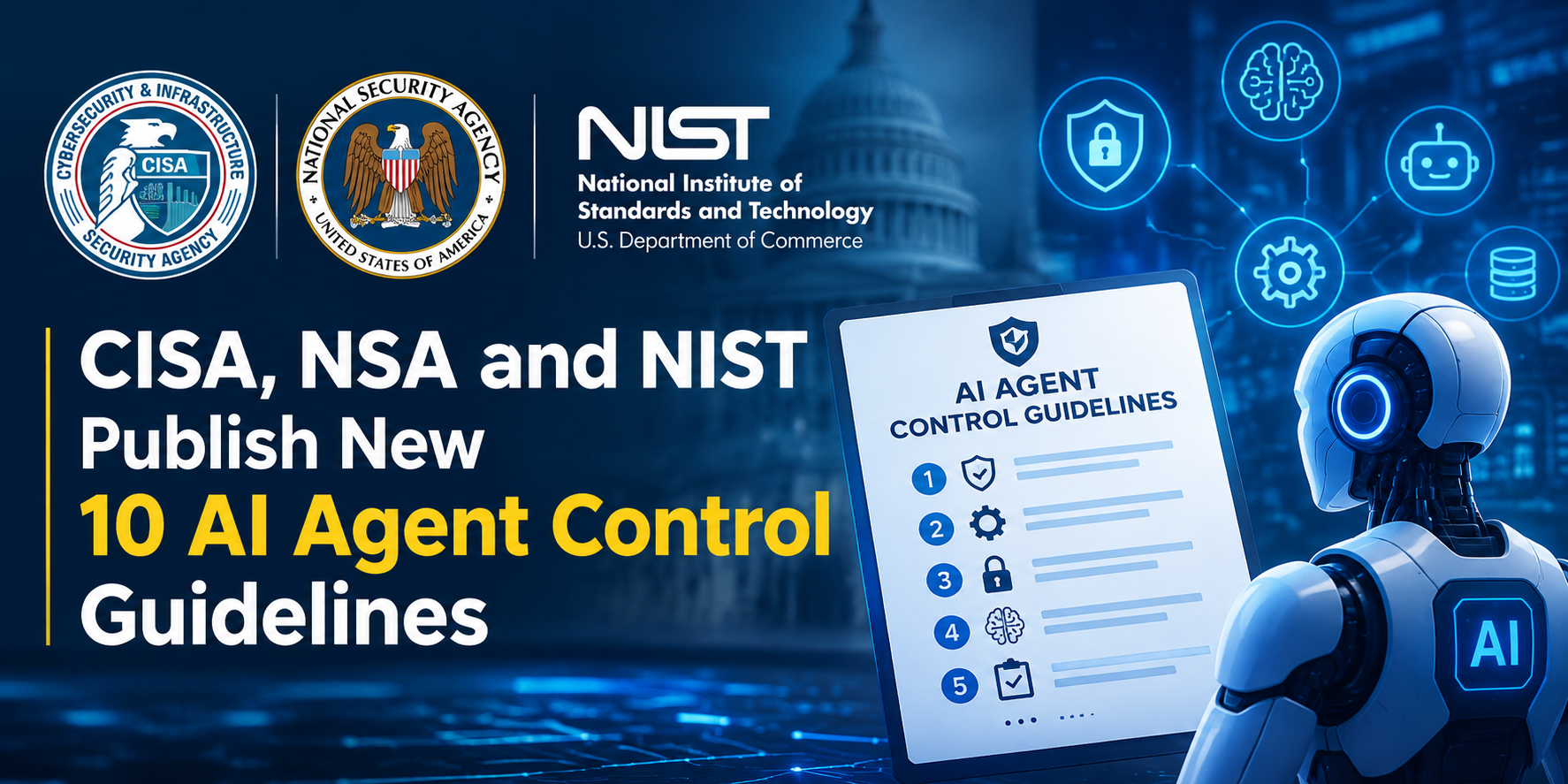
CISA, NSA and NIST Publish New 10 AI Agent Control Guidelines
Claude AI Cracks 25-Year NSA Cryptography Number Mystery in Just 30 Minutes

Bypassing firewalls, AI Agents Accessed Indian ‘ Data Without Permission: CERT-In

CVE-2024-5655 (CVSS 9.6) – Run Pipelines as Any User:
A serious vulnerability (CVE-2024-5655) affects GitLab versions from 15.8 and later. This vulnerability allows attackers to initiate pipelines as a different user in specific situations, creating a major security threat. To fix this, the patch changes how Merge Request (MR) re-targeting works. Users will need to manually start pipelines when merging a target branch. Moreover, the default setting now disables GraphQL authentication with CI_JOB_TOKEN, so other authentication methods must be used.
CVE-2024-4901 (CVSS 8.7) – Stored XSS in Imported Project’s Commit Notes:
Issue CVE-2024-4901 is a stored Cross-Site Scripting (XSS) vulnerability. It can be exploited through malicious commit notes in imported projects, affecting versions from 16.9 onwards. If successful, attackers could execute arbitrary scripts in the user’s session.
CVE-2024-4994 (CVSS 8.1) – CSRF on GraphQL API IntrospectionQuery:
The Cross-Site Request Forgery (CSRF) vulnerability (CVE-2024-4994) affects all versions from 16.1.0 onwards. This issue allows attackers to execute arbitrary GraphQL mutations, potentially leading to unauthorized actions within the GitLab instance.
Additional Vulnerabilities Addressed:
GitLab’s latest releases also address several other significant vulnerabilities:
CVE-2024-6323 (CVSS 7.5): Unauthorized access to private repository content in public projects.
CVE-2024-2177 (CVSS 6.8): Cross-window forgery in user application OAuth flow.
CVE-2024-5430 (CVSS 6.8): Ignoring group merge request approval policies.
CVE-2024-4025 (CVSS 6.5): ReDoS vulnerability in custom markdown pages.
CVE-2024-3959 (CVSS 6.5): Unauthorized access to private job artifacts.
CVE-2024-4557 (CVSS 6.5): Security fixes for Banzai pipeline.
CVE-2024-1493 (CVSS 6.5): ReDoS in dependency linker.
CVE-2024-1816 (CVSS 5.3): Denial of Service (DoS) using crafted OpenAPI files.
CVE-2024-2191 (CVSS 5.3): Disclosure of Merge Request titles.
CVE-2024-3115 (CVSS 4.3): Access issues to epics without an SSO session.
CVE-2024-4011 (CVSS 3.1): Non-project members promoting key results to objectives.
Urgent Upgrade Recommendation
GitLab has not found any evidence of these vulnerabilities being used by attackers, but it is important to take immediate action because these flaws are very serious. Users of GitLab CE and EE should upgrade to versions 17.1.1, 17.0.3, or 16.11.5 right away to make sure their installations are secure and stable.