CISA has released a bulletin that lists over 270 Critical vulnerabilities discovered in various software and hardware in the past week. These vulnerabilities impact popular apps, operating systems, IoT devices, and development frameworks, creating significant risks if not fixed.
Vulnerabilities have been categorized using the Common Vulnerability Scoring System (CVSS).
By infosecbulletin
/ Saturday , October 24 2026
Cyberattacks are rising around the world, including ransomware, malware, data leaks, and hacked websites. These events show how complex and...
Read More
By infosecbulletin
/ Friday , October 23 2026
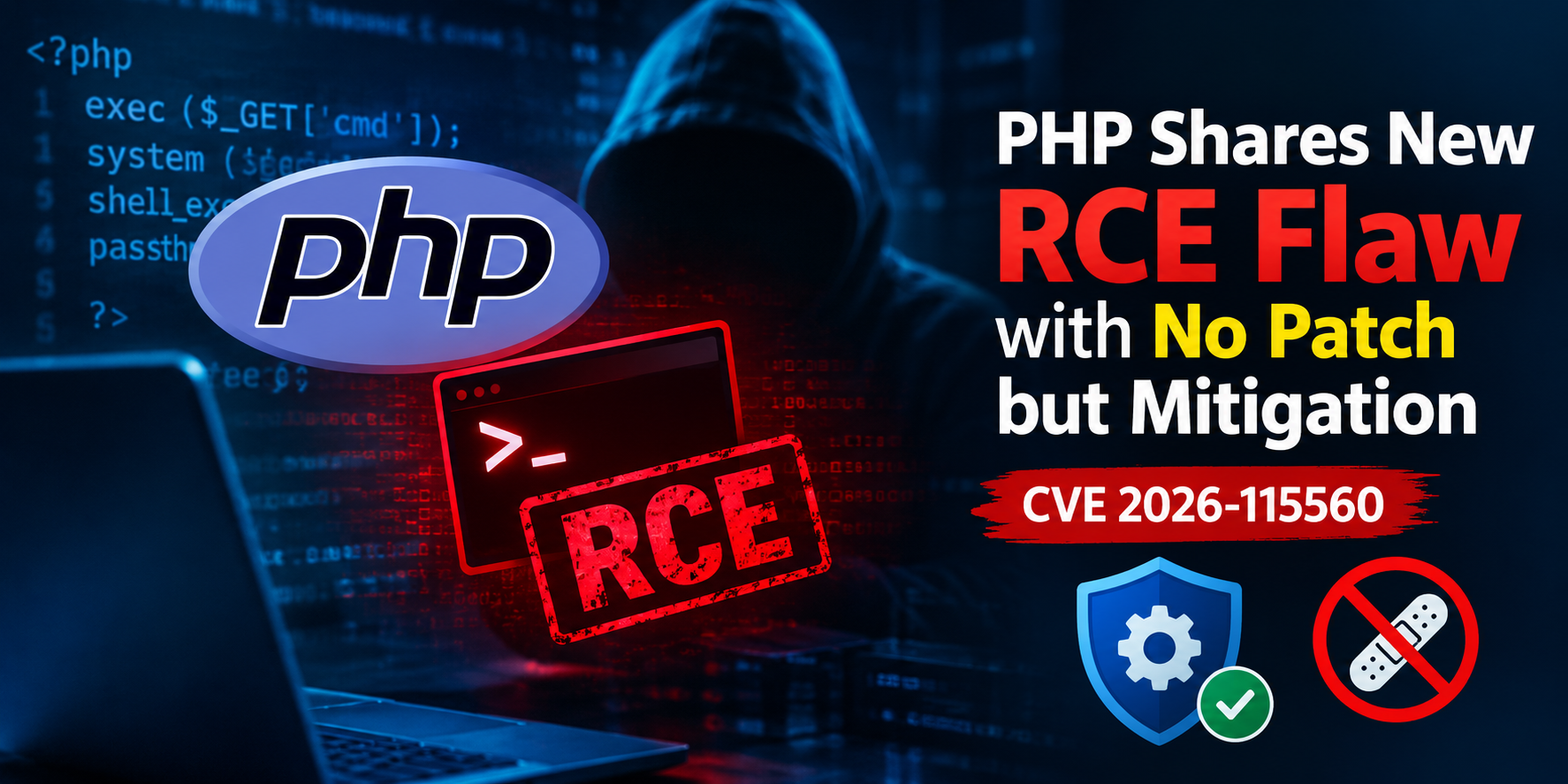
The PHP security team shared ways to protect against a new flaw that lets someone run unwanted code on certain...
Read More
By infosecbulletin
/ Friday , October 23 2026
Major US banks have detected unauthorized access to customer accounts by third-party AI agents, with some systems taking actions beyond...
Read More
By infosecbulletin
/ Thursday , October 22 2026
Fortinet has urged customers to prioritize security updates for FortiOS, FortiManager, and FortiAnalyzer scheduled for October 22, 2026. The coordinated...
Read More
By infosecbulletin
/ Wednesday , October 21 2026
Hacker offers to sell Rajasthan Government’s Department of Information Technology & Communication (DoIT&C) data in a underground forum. The threat...
Read More
By infosecbulletin
/ Wednesday , October 21 2026
The PHP team released urgent security updates to fix PHP2Shell, two serious flaws (CVE-2026-109618 and CVE-2026-109619) that let attackers run...
Read More
By infosecbulletin
/ Wednesday , October 21 2026
US President Donald Trump said on Wednesday that companies building data centers should pay a "dividend" to the communities where...
Read More
By infosecbulletin
/ Tuesday , October 20 2026
Ransomware groups are using a flaw in Palo Alto Networks GlobalProtect VPN to get around multi-factor authentication and access corporate...
Read More
By infosecbulletin
/ Tuesday , October 20 2026
The U.S. Department of Homeland Security (DHS) ordered federal agencies to stop using DeepSeek products and remove it from all...
Read More
By infosecbulletin
/ Monday , October 19 2026
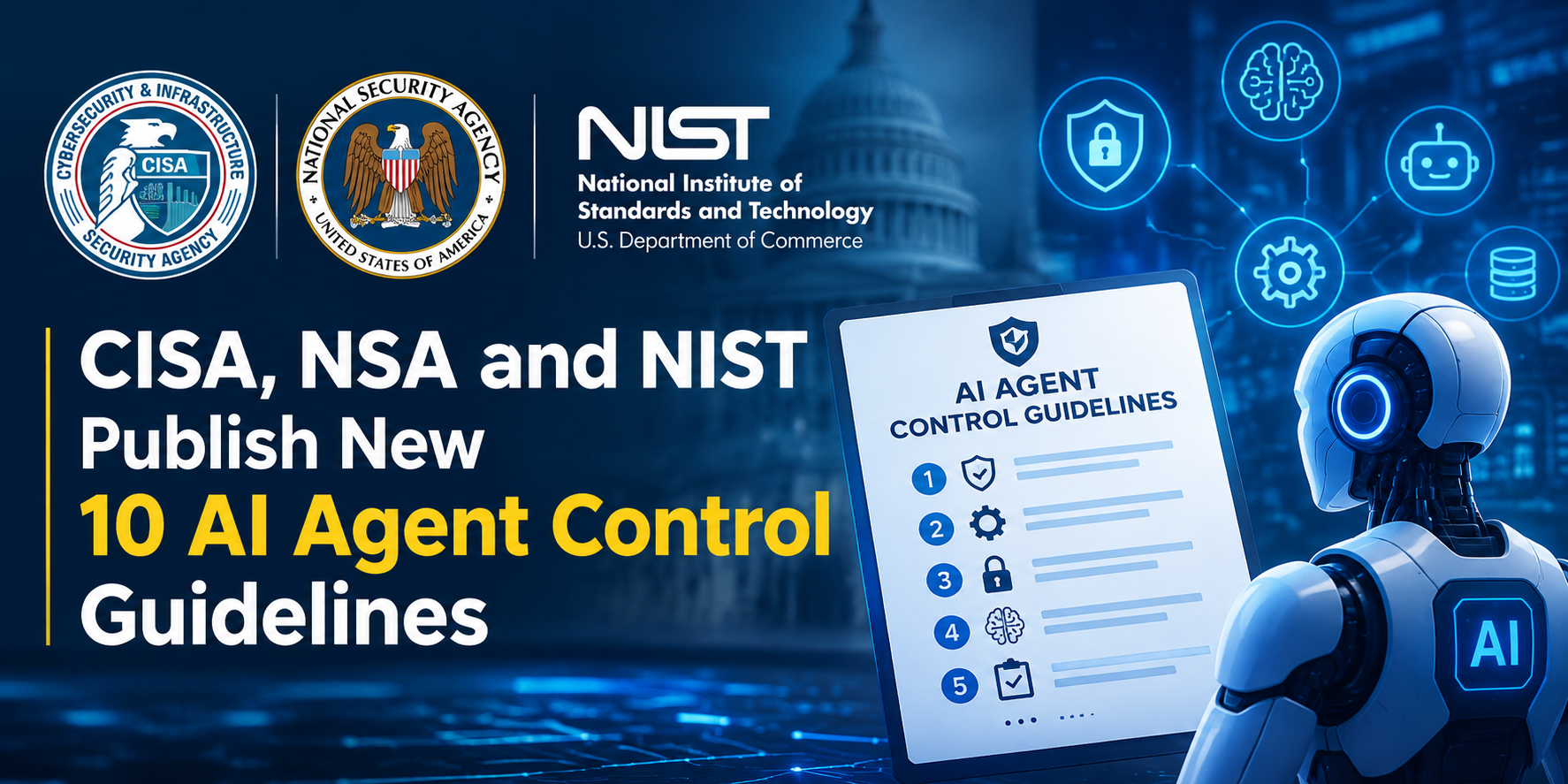
NSA, CISA, and NIST have released security guidelines to find, control, and stop AI agents that go beyond their allowed...
Read More
Critical (CVSS 9.0–10.0): Immediate attention required.
High (CVSS 7.0–8.9): Potential to cause major disruptions.
Medium (CVSS 4.0–6.9): Less severe but still actionable.
Low (CVSS 0.0–3.9): Minimal impact.
Top Critical Vulnerabilities:
Some critical vulnerabilities can allow attackers to run harmful code, gain unauthorized access, and steal data.
Critical vulnerabilities (CVE-2024-11317, CVE-2024-48839) in products like ASPECT, MATRIX, and NEXUS Series enable attackers to exploit session fixation, execute remote code, and misuse default credentials.
WordPress Plugins
Widely used plugins such as Roninwp FAT Services Booking (CVE-2024-54221) and Swift Performance Lite (CVE-2024-10516) are vulnerable to SQL injection, file inclusion, and XSS attacks.
IoT and Networking Devices:
Devices like Victure RX1800 WiFi Routers and Zyxel VMG4005-B50A firmware have vulnerabilities that let hackers run malicious code remotely.
ROS2 (Robotic Operating System)
Security vulnerabilities in Open Robotics’ ROS2 can lead to denial-of-service attacks or arbitrary code execution.
Django
SQL injection vulnerabilities in Django’s Oracle database could allow unauthorized access to sensitive data.
Notable High-Severity Vulnerabilities:
Chrome bug (CVE-2024-12053): A flaw in the V8 engine may allow attackers to manipulate objects, potentially leading to code execution via malicious web pages.
ABB ASPECT-Enterprise has vulnerabilities due to improper input validation (CVE-2024-51550) and data sanitization issues (CVE-2024-51541), allowing attackers to inject malicious scripts.
Android Devices:
Some Android parts have security vulnerabilities that can allow unauthorized actions or lead to data corruption.
Widespread Medium-Severity Issues:
While not as urgent, medium-severity vulnerabilities (CVSS 4.0–6.9) still require action:
Several WordPress themes and plugins, such as TI WooCommerce Wishlist and Convert Forms, have XSS vulnerabilities.
Development Frameworks: Issues in libraries like python-multipart could cause service disruptions (CVE-2024-53981).
Networking Devices:
IoT and networking products, including those from Ruijie and Lorex, have serious security vulnerabilities that allow unauthorized access or remote control.
Industrial Systems:
Some industrial systems, such as those from ABB and Siemens, have vulnerabilities that could endanger operational technology environments.
Recommendations:
 InfoSecBulletin Cybersecurity for mankind