InfoSecBulletin Cybersecurity for mankind
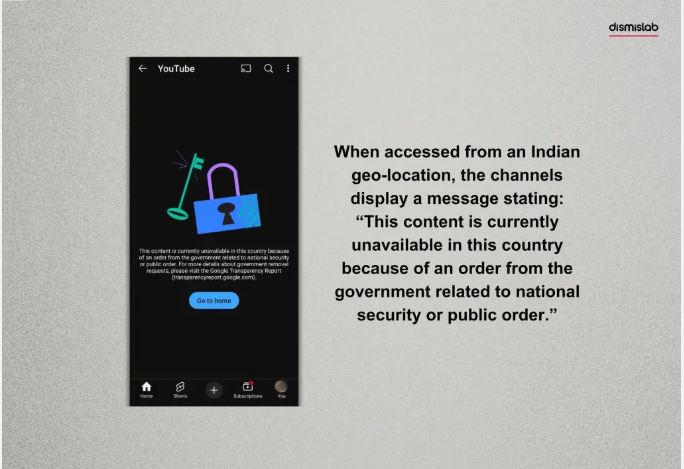
YouTube has restricted access to at least four Bangladeshi television channels in India following a takedown request from the Indian government, citing concerns related to national security and public order. The affected channels: Jamuna TV, Ekattor TV, BanglaVision, and Mohona TV—are no longer accessible to viewers in India. When accessed from an Indian geo-location, the channels display a message stating: “This content is currently unavailable in this country because of an order from the government related to national security or public order.”
PHP shares new RCE flaw (CVE 2026-115560) with no patch but mitigation
US banks faced unauthorized access by AI agents in customer accounts: Axios reports

Atlassian patched 176 flaw in Jira and Confluence: Fortinet Urges to Patch Flaws Affecting FortiOS, FortiManager

Hacker claim to access Rajasthan Police data: 70,000 records allegedly exposed
Update now! PHP2Shell: Critical PHP vulnerabilities patched

Trump says data centres should pay dividends to local community
Hackers Actively Exploiting Palo Alto VPN Flaw Via CVE-2026-0257

DeepSeek AI banned by U.S. Government; federal agencies must remove all related tools
CISA, NSA and NIST Publish New 10 AI Agent Control Guidelines
Claude AI Cracks 25-Year NSA Cryptography Number Mystery in Just 30 Minutes
The channels remained inaccessible at the time of publishing this report.
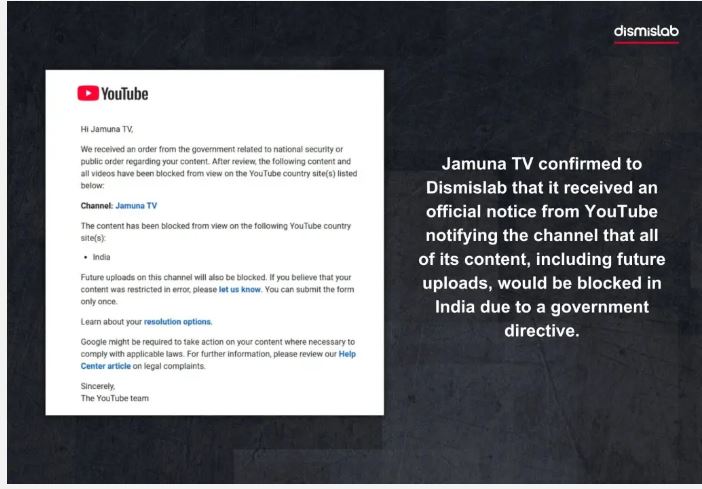
Jamuna TV confirmed to Dismislab that it had received an official notice from YouTube regarding the blocking.
Geo-block confirmed through VPN testing and local confirmation
Dismislab conducted the verification by first connecting to an Indian VPN server. The team confirmed the connection by visiting browser-based IP checker “What’s My IP Address” to ensure the virtual location was identified as India.
After establishing the Indian IP, Dismislab accessed YouTube’s official site and manually checked each of the 38 Bangladeshi news and media channels on its list. Four of these channels—Jamuna TV, Ekattor TV, BanglaVision, and Mohona TV—were found to be inaccessible, showing a notice citing government orders related to national security or public order.
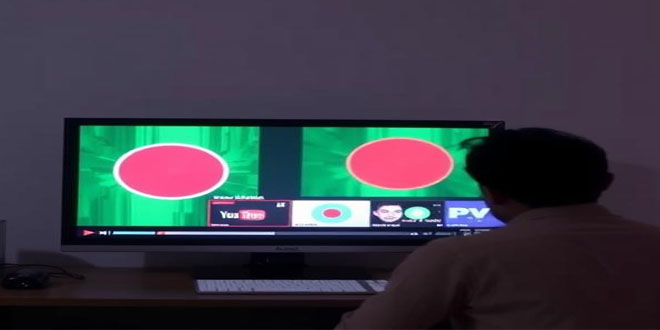
To validate these findings, Dismislab sent the links of the four blocked channels two journalists based in New Delhi and Kolkata. The journalists, who requested anonymity, confirmed that the channels could not be accessed from within India. One of them sent a screen recording confirming the findings.
Jamuna TV confirmed Dismislab receiving an official notice from YouTube, stating that the channel had been blocked in India following a government request. The notice added that all future uploads on the channel would also be restricted from Indian viewers.
“We received an order from the government related to national security or public order regarding your content… Future uploads on this channel will also be blocked,” the notice from YouTube said.
Regional Tensions Fuel Digital Takedowns
Geo-blocking refers to restricting access to content based on a viewer’s geographical location. In this case, the affected Bangladeshi channels remain accessible globally, but their content has been hidden from users in India.
The geo-blocking of Bangladeshi news channels comes amid heightened regional tension following Operation Sindoor, launched by Indian armed forces on the night of May 6–7. The cross-border strikes, targeting alleged terror camps in Pakistan, triggered an outpouring of hyper-nationalist coverage in several Indian news outlets.
Amid this charged atmosphere, The Wire, a prominent independent Indian news outlet, reported on May 9 that its website had been blocked nationwide. In a post on social media, The Wire stated: “In a clear violation of the Constitutional guarantee of freedom of the press, the Government of India has blocked access to thewire.in across India.”
A day earlier, X (formerly Twitter) disclosed that the Indian government had ordered the blocking of over 8,000 accounts, including those of independent media outlets such as Maktoob Media, The Kashmiriyat, and Free Press Kashmir.
In April, India banned more than a dozen Pakistani YouTube channels for allegedly spreading provocative content. Access was also restricted to the Instagram account of former Pakistani prime minister Imran Khan, as well as several Pakistani celebrities and athletes, including cricketers Babar Azam and Shahid Afridi and Olympian Arshad Nadeem.
Last week, Bangladeshi blogger Asad Noor, who has been living in exile in India, claimed on X that his YouTube channel Asad Noor had been blocked in India on national security grounds. However, the restriction was later lifted.
YouTube is required to comply with India’s Information Technology (Intermediary Guidelines and Digital Media Ethics Code) Rules, 2021. Under Section 69A of the IT Act, the Indian government has the authority to order the blocking of online content it deems a threat to national security, sovereignty, or public order. Such directives may be issued by the Ministry of Electronics and Information Technology (MeitY) or other authorised bodies.
The Indian government’s increased scrutiny has led to a significant rise in content removal requests. For instance, from January to June 2023, Google received 2,191 content removal requests from the Indian government, with an additional 1,677 requests in the latter half of the year. Over the past decade, approximately 115,500 pieces of content have been requested for removal from Google’s platforms, including YouTube, highlighting the escalating trend of digital content regulation in India.
Source: Dismislab