InfoSecBulletin Cybersecurity for mankind

Tenable published a new study revealing that Indian organisations could not prevent 42% of cyberattacks on their businesses, only successfully thwarting 58% of cyberattacks over the past two years. Consequently, organisations have had to rely on reactive measures rather than preventing attacks from occurring in the first place.
The study further revealed that 78% of Indian respondents believe their organisations could better defend against cyberattacks with more resources dedicated to preventive cybersecurity. However, a concerning 64% indicated that their cybersecurity teams spend the majority of their time addressing critical incidents, hampering their capacity to take a proactive stance.
PHP shares new RCE flaw (CVE 2026-115560) with no patch but mitigation

US banks faced unauthorized access by AI agents in customer accounts: Axios reports

Atlassian patched 176 flaw in Jira and Confluence: Fortinet Urges to Patch Flaws Affecting FortiOS, FortiManager

Hacker claim to access Rajasthan Police data: 70,000 records allegedly exposed
Update now! PHP2Shell: Critical PHP vulnerabilities patched

Trump says data centres should pay dividends to local community

Hackers Actively Exploiting Palo Alto VPN Flaw Via CVE-2026-0257

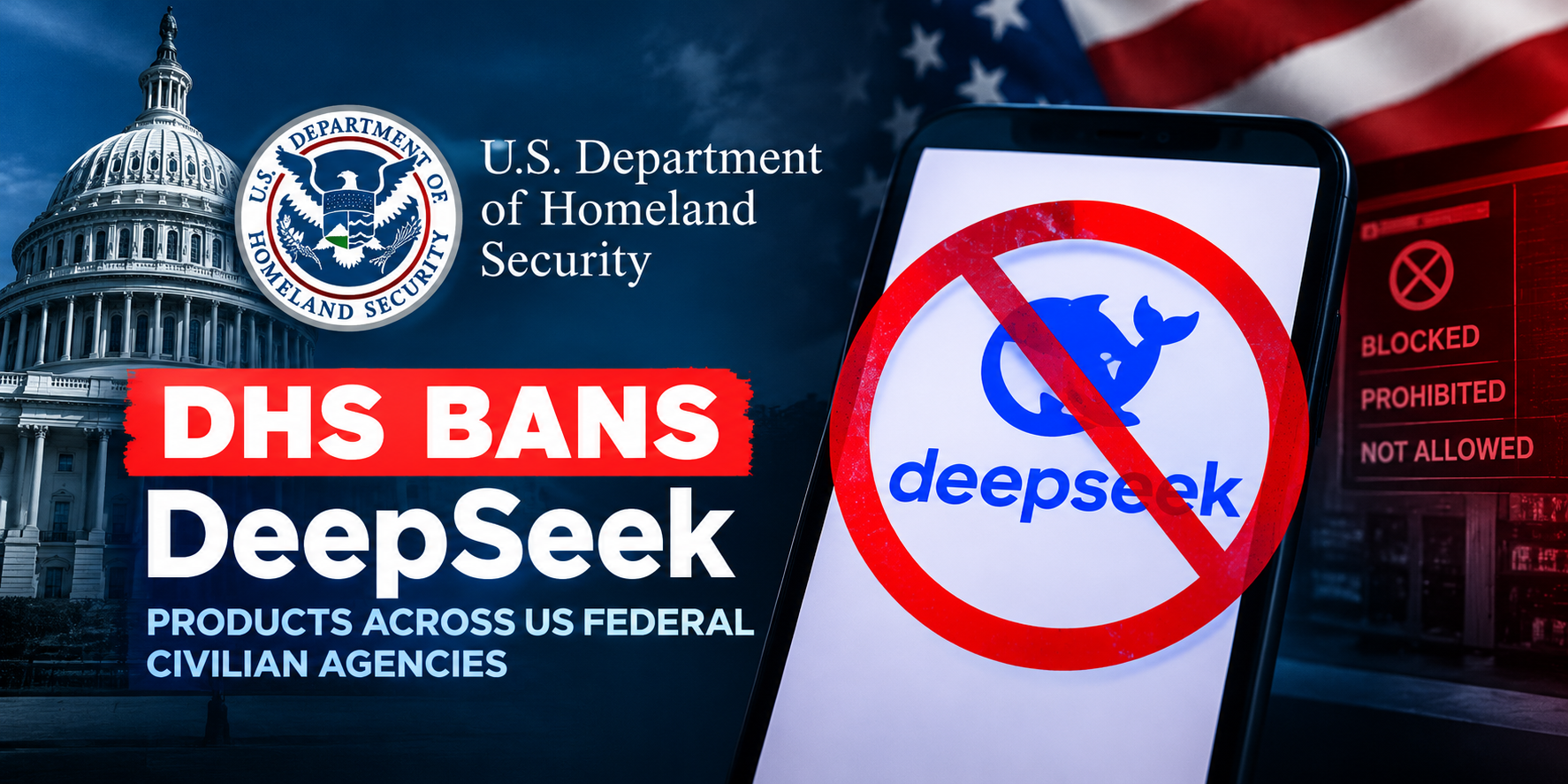
DeepSeek AI banned by U.S. Government; federal agencies must remove all related tools
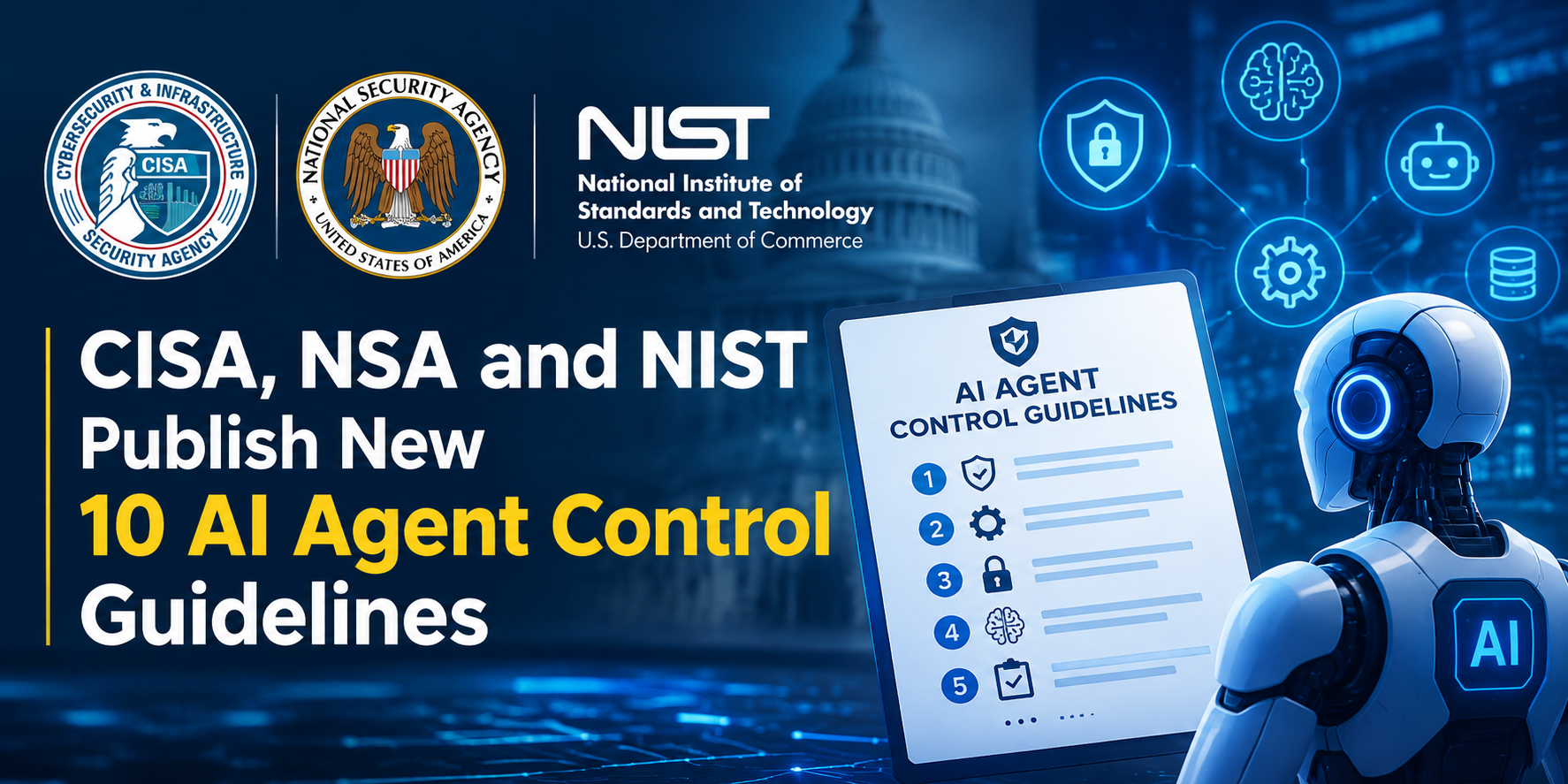
CISA, NSA and NIST Publish New 10 AI Agent Control Guidelines
Claude AI Cracks 25-Year NSA Cryptography Number Mystery in Just 30 Minutes
ALSO READ:
WhatsApp Introduces new privacy feature protect IP while Calling
The data is drawn from, “Old Habits Die Hard: How People, Process and Technology Challenges Are Hurting Cybersecurity Teams in India,” a commissioned study of 825 IT and cybersecurity professionals including 69 Indian respondents conducted in 2023 by Forrester Consulting on behalf of Tenable.
The study, which emphasises the significance of adopting a proactive cybersecurity approach, found that a core reason for the prevalent reactivity in Indian organisations’ cybersecurity practices is the lack of alignment in goals between IT and security teams. Seven in 10 (71%) organisations say their IT teams are more concerned with uptime than patching and remediation. The disparity results in a lack of coordination between the two teams, a challenge acknowledged by 43% of Indian organisations.
“In today’s threat landscape, by the time organisations react to cyberattacks, the battle is half lost,” said Kartik Shahani, Country Manager for Tenable India. “Organisations in India simply cannot afford to remain in reactive mode. The study we conducted sheds light on the inherent issues within Indian organisations’ own structure and operations. This misalignment in goals between IT and security teams results in a palpable lack of synchronisation, making it challenging for these vital components of an organisation to work cohesively toward a shared goal.”
This goal misalignment is further exacerbated as organisations race to adopt new and emerging software-as-a-service applications from third-party providers. Eight in 10 respondents (81%) of their organisations use a third-party program for SaaS apps and services. However, only over half (54%) have visibility into these third-party environments making proactive security measures elusive.
Shahani noted, “While there are no quick fixes to these challenges, implementing an exposure management program enables security professionals to better allocate time and resources so they can focus on taking the preventive actions that legitimately reduce an organisation’s cyber risk. It requires security teams to place as much importance on proactive efforts as they currently do on reactive incident response efforts. It requires security and IT professionals to consider how siloed organisational structures — and the myriad security tools used in support of those silos — are hindering their ability to see what an attacker sees. And it requires a way for security professionals to analyse the data coming from disparate tools to empower them to draw meaningful insights they can apply to their risk reduction goals.”