InfoSecBulletin Cybersecurity for mankind

The US plans to ban the sale of Kaspersky antivirus software due to its alleged ties to the Kremlin. Gina Raimondo, the US Commerce Secretary, said that Moscow’s control over the company was a big threat to US infrastructure and services.
She said that the US was compelled to take action due to Russia’s “capacity and… intent to collect and weaponize the personal information of Americans”.
PHP shares new RCE flaw (CVE 2026-115560) with no patch but mitigation

US banks faced unauthorized access by AI agents in customer accounts: Axios reports

Atlassian patched 176 flaw in Jira and Confluence: Fortinet Urges to Patch Flaws Affecting FortiOS, FortiManager

Hacker claim to access Rajasthan Police data: 70,000 records allegedly exposed
Update now! PHP2Shell: Critical PHP vulnerabilities patched

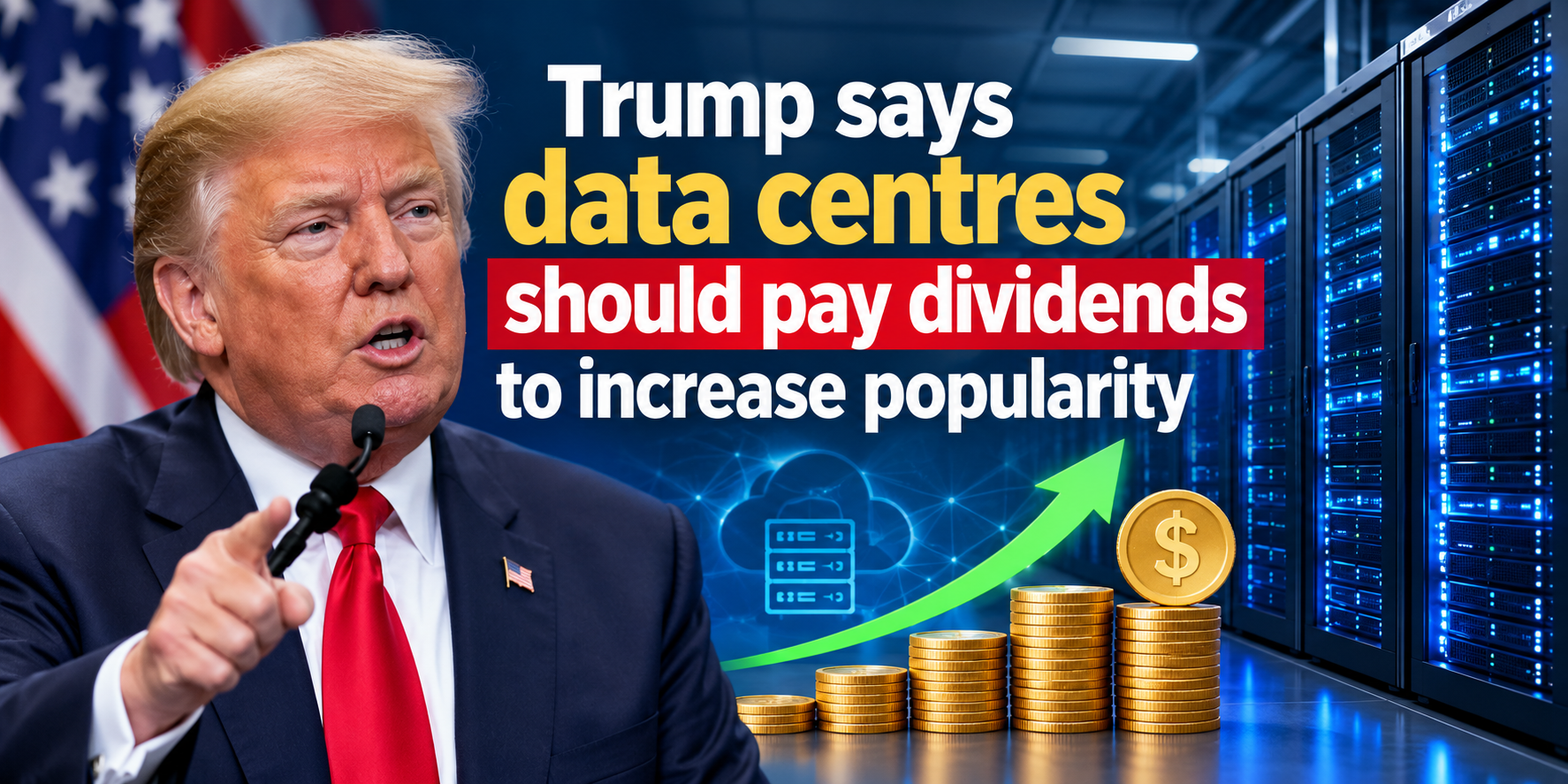
Trump says data centres should pay dividends to local community
Hackers Actively Exploiting Palo Alto VPN Flaw Via CVE-2026-0257

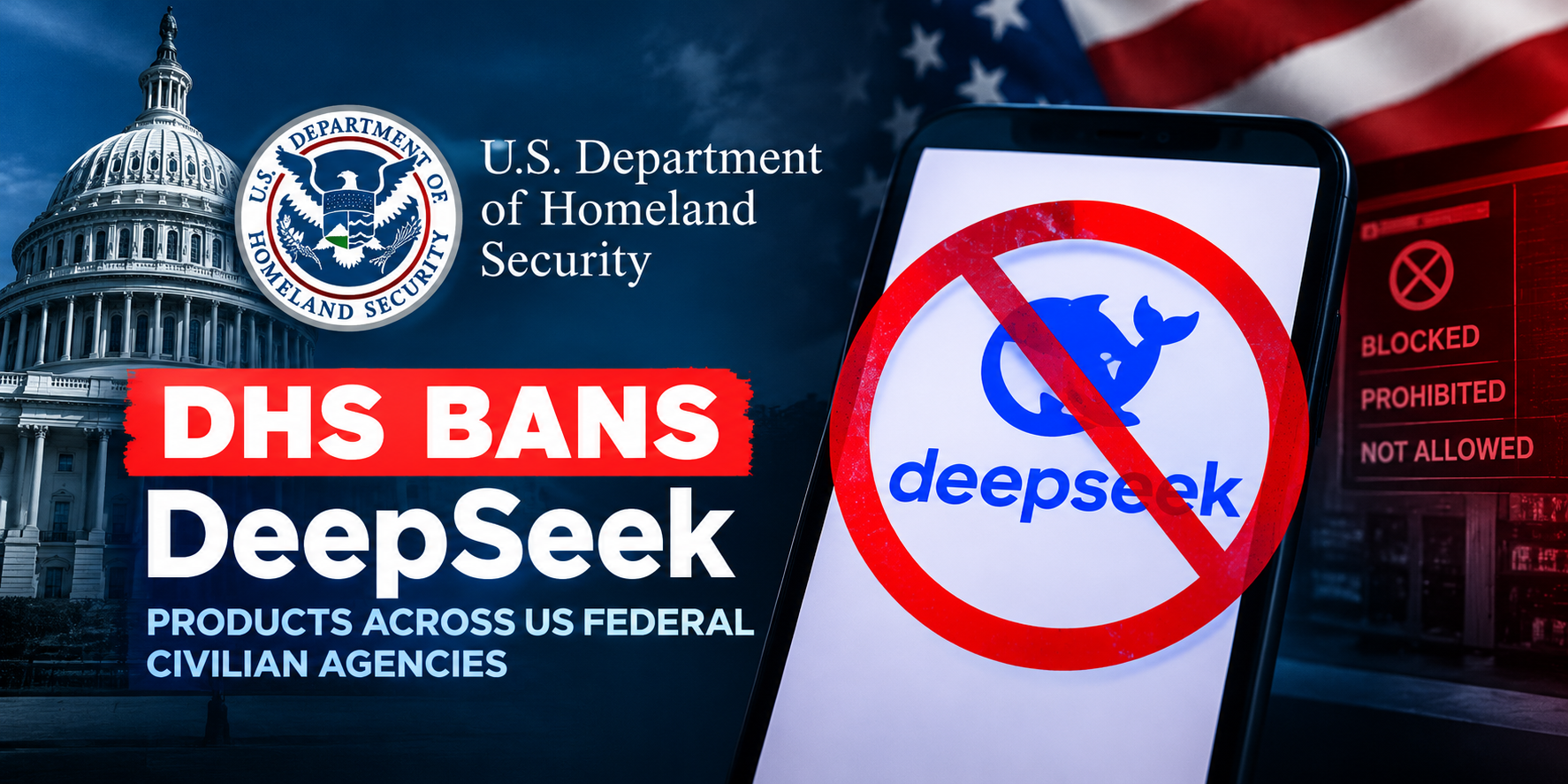
DeepSeek AI banned by U.S. Government; federal agencies must remove all related tools
CISA, NSA and NIST Publish New 10 AI Agent Control Guidelines
Claude AI Cracks 25-Year NSA Cryptography Number Mystery in Just 30 Minutes
“Kaspersky will generally no longer be able to, among other activities, sell its software within the United States or provide updates to software already in use,” the Commerce Department said.
The plan uses strong powers given by the Trump administration to stop or control business deals between US companies and technology firms from “foreign adversary” nations such as Russia and China.
Starting from September 29th, the plan will prohibit software updates, resales, and licensing of the product. Additionally, new business will be limited within 30 days of the announcement.
Sellers and resellers who break the rules will be fined by the Commerce Department. The Commerce Department will list two Russian and one UK-based unit of Kaspersky. They are being accused of cooperating with Russian military intelligence.
US regulators have been focusing on the company for a long time. In 2017, the Department of Homeland Security banned its main antivirus product from federal networks due to suspected links to Russian intelligence.
The multinational company is based in Moscow, but it has offices in 31 countries worldwide. It serves over 400 million users and 270,000 corporate clients in more than 200 countries. The Commerce Department stated that the number of affected customers in the US is confidential business information.
However, a Commerce Department official was quoted by Reuters as saying that it was a “significant number” and included state and local governments and companies that supply telecommunications, power, and healthcare.
Kaspersky said in a statement that the Commerce Department “made its decision based on the present geopolitical climate and theoretical concerns,” and vowed to “pursue all legally available options to preserve its current operations and relationships.”
“Kaspersky does not engage in activities which threaten US national security and, in fact, has made significant contributions with its reporting and protection from a variety of threat actors that targeted US interests and allies,” the company said.