InfoSecBulletin Cybersecurity for mankind
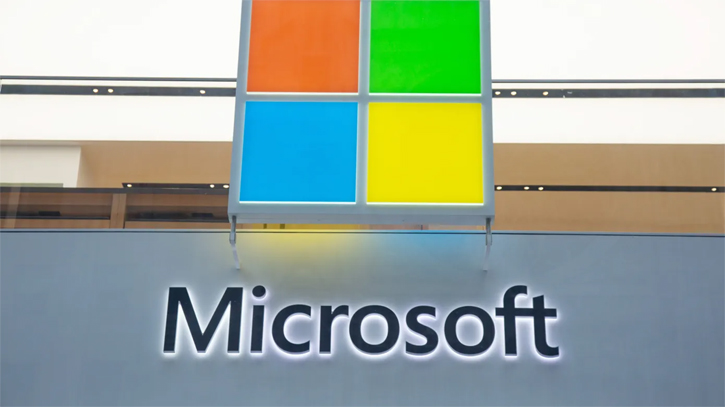
The Microsoft security team detected a nation-state attack on our corporate systems on January 12, 2024, and immediately activated our response process to investigate, disrupt malicious activity, mitigate the attack, and deny the threat actor further access. Microsoft has identified the threat actor as Midnight Blizzard, the Russian state-sponsored actor also known as Nobelium.
Beginning in late November 2023, the threat actor used a password spray attack to compromise a legacy non-production test tenant account and gain a foothold, and then used the account’s permissions to access a very small percentage of Microsoft corporate email accounts, including members of our senior leadership team and employees in our cybersecurity, legal, and other functions, and exfiltrated some emails and attached documents. The investigation indicates they were initially targeting email accounts for information related to Midnight Blizzard itself. We are in the process of notifying employees whose email was accessed.
Claude AI Cracks 25-Year NSA Cryptography Number Mystery in Just 30 Minutes
Bypassing firewalls, AI Agents Accessed Indian ‘ Data Without Permission: CERT-In
MITRE ATT&CK v20 Unveils 9 New Attack Techniques On AI Exploits, MFA Bypass, and CAPTCHA Evasion
Hackers Exploit Fortinet Flaws to Deploy Stealthy PEERSTITCH Malware on FortiGate Firewalls

Hacker stole Meta GitHub repos; Stole Source Code
Urgent patch! Zoom,NVIDIA and IBM Patch 41 Security flaws
Microsoft patches record braking 1411 flaws; 2 zero days
Anthropic unveils “OSS Scanner” Free AI Vulnerability Scanner for Open-Source Projects
Rise on RCE Exploits Targeting Hikvision Camera Flaw
FortiBleed Attack Compromised 80,000+ Devices, SonicWall Patches 4 SMA1000 Flaws CVSS 10

The attack was not the result of a vulnerability in Microsoft products or services. To date, there is no evidence that the threat actor had any access to customer environments, production systems, source code, or AI systems. We will notify customers if any action is required.
This attack does highlight the continued risk posed to all organizations from well-resourced nation-state threat actors like Midnight Blizzard.
Microsoft late last year said when we announced Secure Future Initiative (SFI), given the reality of threat actors that are resourced and funded by nation states, we are shifting the balance we need to strike between security and business risk – the traditional sort of calculus is simply no longer sufficient. For Microsoft, this incident has highlighted the urgent need to move even faster. We will act immediately to apply our current security standards to Microsoft-owned legacy systems and internal business processes, even when these changes might cause disruption to existing business processes.
This will likely cause some level of disruption while we adapt to this new reality, but this is a necessary step, and only the first of several we will be taking to embrace this philosophy.
Microsoft continue the investigation and will take additional actions based on the outcomes of this investigation and will continue working with law enforcement and appropriate regulators. We are deeply committed to sharing more information and our learnings, so that the community can benefit from both our experience and observations about the threat actor. We will provide additional details as appropriate.