InfoSecBulletin Cybersecurity for mankind
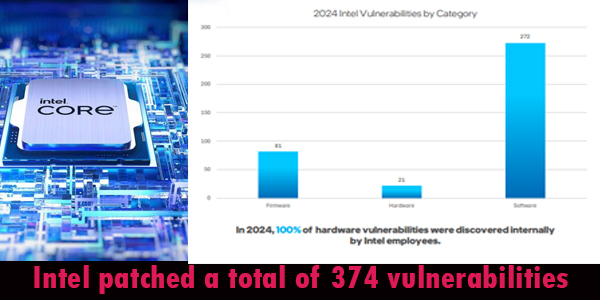
In 2024, Intel addressed a remarkable 374 vulnerabilities across its software, firmware, and hardware products, distributing bug bounty rewards for approximately half of these issues.
Intel’s latest product security report reveals that the highest number of resolved bugs last year (272) were in utilities (146), drivers (68), applications (35), SDKs (9), toolkits (8), and NUC appliances (5).
Update now! PHP2Shell: Critical PHP vulnerabilities patched

Trump says data centres should pay dividends to local community

Hackers Actively Exploiting Palo Alto VPN Flaw Via CVE-2026-0257

DeepSeek AI banned by U.S. Government; federal agencies must remove all related tools

CISA, NSA and NIST Publish New 10 AI Agent Control Guidelines

Claude AI Cracks 25-Year NSA Cryptography Number Mystery in Just 30 Minutes

Bypassing firewalls, AI Agents Accessed Indian ‘ Data Without Permission: CERT-In

MITRE ATT&CK v20 Unveils 9 New Attack Techniques On AI Exploits, MFA Bypass, and CAPTCHA Evasion

Hackers Exploit Fortinet Flaws to Deploy Stealthy PEERSTITCH Malware on FortiGate Firewalls

Hacker stole Meta GitHub repos; Stole Source Code

In 2024, the company fixed 81 firmware flaws, primarily affecting UEFI (30), NUC BIOS (19), networking products (10), and chipsets (8).
Last year, Intel fixed 21 hardware vulnerabilities related to processors, Intel SGX, and side-channel issues, all found internally.
Last year, the number of resolved security defects was 6% higher than in 2023. Intel reported that proactive efforts led to an increase in flaws addressed, with 94% for firmware bugs and 92% for software issues.
The company reported that bug bounty rewards were given for 53% of the 374 vulnerabilities fixed in 2024. Most rewards (84%) were for software flaws, while 16% were for firmware defects.
In recent years Intel has no longer shared information on the bug bounty amounts it has paid out.
Intel’s report reveals that UEFI had the most bug bounties last year, followed by Power Gadget, NUC, NUC BIOS, and networking components.
The tech giant reported 52 platform firmware vulnerabilities, seven issues in its hardware root-of-trust firmware, and 10 GPU flaws last year.
The company updates microcode, firmware, and system BIOS quarterly, allowing partners to validate and implement fixes on a consistent schedule.