InfoSecBulletin Cybersecurity for mankind
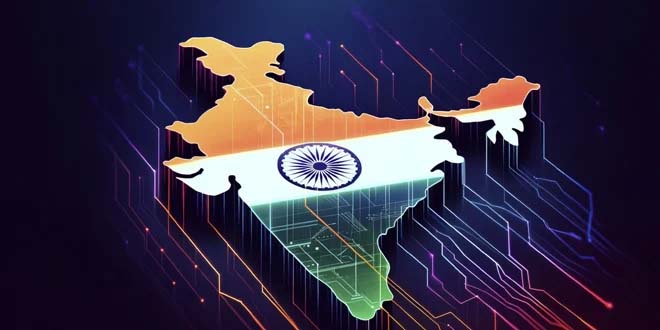
A new spying campaign has been discovered that targets Indian government agencies and the energy sector, using a modified open-source tool called HackBrowserData to steal browser credentials, cookies, and history.
Researchers from EclecticIQ, a Dutch cybersecurity firm, found a hacking campaign in early March. They didn’t identify the hackers but reported that 8.81 GB of data was stolen. This data could help further attacks on the Indian government’s infrastructure.
PHP shares new RCE flaw (CVE 2026-115560) with no patch but mitigation

US banks faced unauthorized access by AI agents in customer accounts: Axios reports

Atlassian patched 176 flaw in Jira and Confluence: Fortinet Urges to Patch Flaws Affecting FortiOS, FortiManager

Hacker claim to access Rajasthan Police data: 70,000 records allegedly exposed
Update now! PHP2Shell: Critical PHP vulnerabilities patched

Trump says data centres should pay dividends to local community

Hackers Actively Exploiting Palo Alto VPN Flaw Via CVE-2026-0257

DeepSeek AI banned by U.S. Government; federal agencies must remove all related tools

CISA, NSA and NIST Publish New 10 AI Agent Control Guidelines
Claude AI Cracks 25-Year NSA Cryptography Number Mystery in Just 30 Minutes
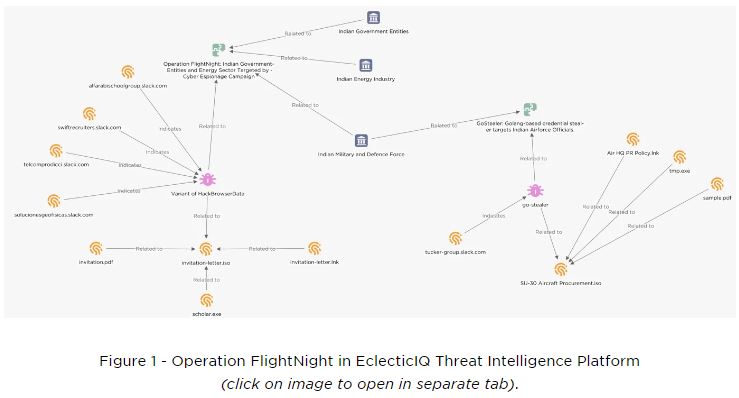
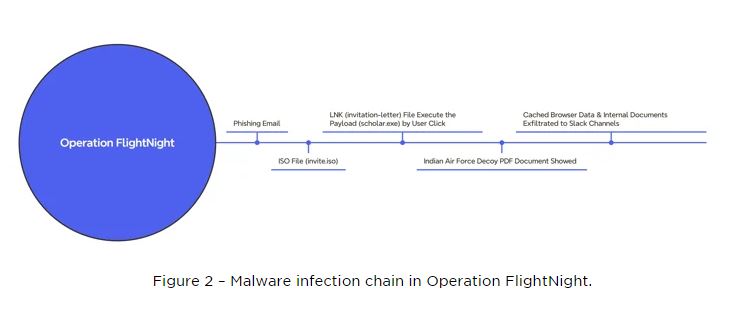
The information stealer spread through a fake invitation letter from the Indian Air Force, sent as a PDF through phishing. It’s believed that the PDF was originally taken in an earlier attack and reused by the cybercriminals.
The document contained a shortcut (LNK file) that led to malware. When activated, this malware started stealing documents, private emails, and web browser data from the victim’s device, sending this information through Slack.
Analysts from EclecticIQ named the campaign “Operation FlightNight” because the attackers named all their Slack channels “FlightNight.”
The malware targets specific file types like Microsoft Office documents, PDFs, and SQL database files on devices to speed up data theft during exfiltration.
Hackers targeted Indian government agencies in electronic communications, IT governance, and national defense, as well as private energy companies, stealing financial documents, employee personal details, and information on oil and gas drilling activities.
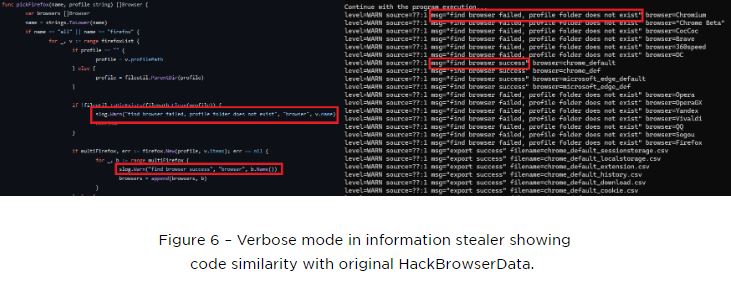
The hacker group responsible wasn’t named, but similarities in the malware and delivery techniques suggest a link to a previous attack targeting Indian Air Force officials with a malware called GoStealer.
The malware used in the attack was a modified version of GoStealer, a type of malware available on GitHub. It attacked several browsers including Firefox, Chrome, Edge, and Brave, and stole data through Slack.
According to EclecticIQ, both campaigns are likely the work of the same threat actor targeting Indian government entities.
“Operation FlightNight and the Go-Stealer campaign highlight a simple yet effective approach by threat actors to use open-source tools for cyber espionage,” researchers said.