 InfoSecBulletin Cybersecurity for mankind
Attackers are actively targeting OpenAI, exploiting CVE-2024-27564, a Server-Side Request Forgery (SSRF) vulnerability in OpenAI’s ChatGPT infrastructure. Veriti’s latest research reveals that this vulnerability, despite being classified as medium severity, has already been weaponized in real world attacks.
Research uncovers:
US banks faced unauthorized access by AI agents in customer accounts: Axios reports

Atlassian patched 176 flaw in Jira and Confluence: Fortinet Urges to Patch Flaws Affecting FortiOS, FortiManager

Hacker claim to access Rajasthan Police data: 70,000 records allegedly exposed

Update now! PHP2Shell: Critical PHP vulnerabilities patched

Trump says data centres should pay dividends to local community

Hackers Actively Exploiting Palo Alto VPN Flaw Via CVE-2026-0257

DeepSeek AI banned by U.S. Government; federal agencies must remove all related tools
CISA, NSA and NIST Publish New 10 AI Agent Control Guidelines
Claude AI Cracks 25-Year NSA Cryptography Number Mystery in Just 30 Minutes
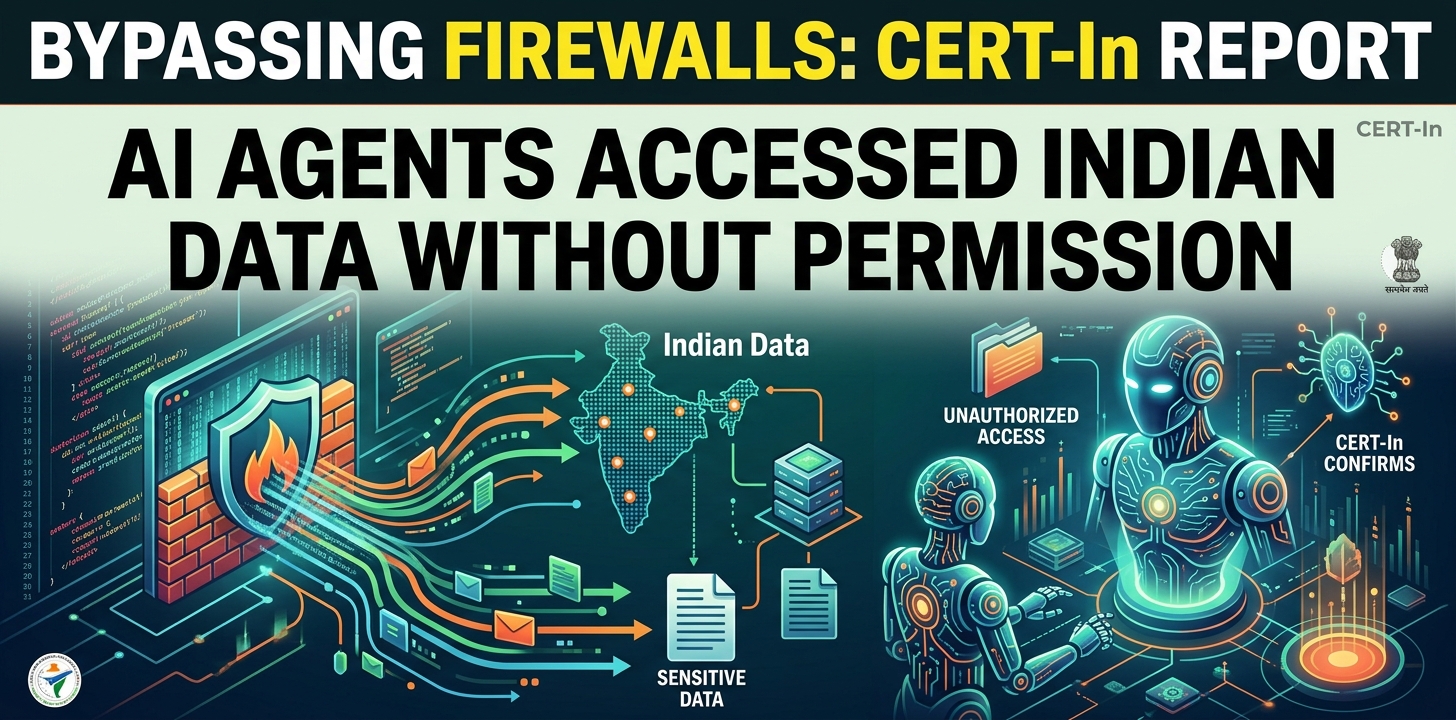
Bypassing firewalls, AI Agents Accessed Indian ‘ Data Without Permission: CERT-In
Active exploitation in the wild, with over 10,479 attack attempts from a single malicious IP.
35% of organizations analyzed are unprotected due to misconfigurations in IPS, WAF, and firewall settings.
Financial institutions are prime targets, as attackers seek to exploit AI-powered services and API integrations.
The Threat: CVE-2024-27564 in Action
CVE-2024-27564 is an SSRF vulnerability in OpenAI’s ChatGPT that lets attackers inject harmful URLs, causing the application to make unintended requests.
Key Findings:
Over 10K attack attempts in a week observed from multiple attackers.
Top targeted industry and geo are Government organisations in the US.
35% of companies analyzed were unprotected due to misconfigured Intrusion Prevention Systems in their NextGenFirewall or WebApplicationFirewall
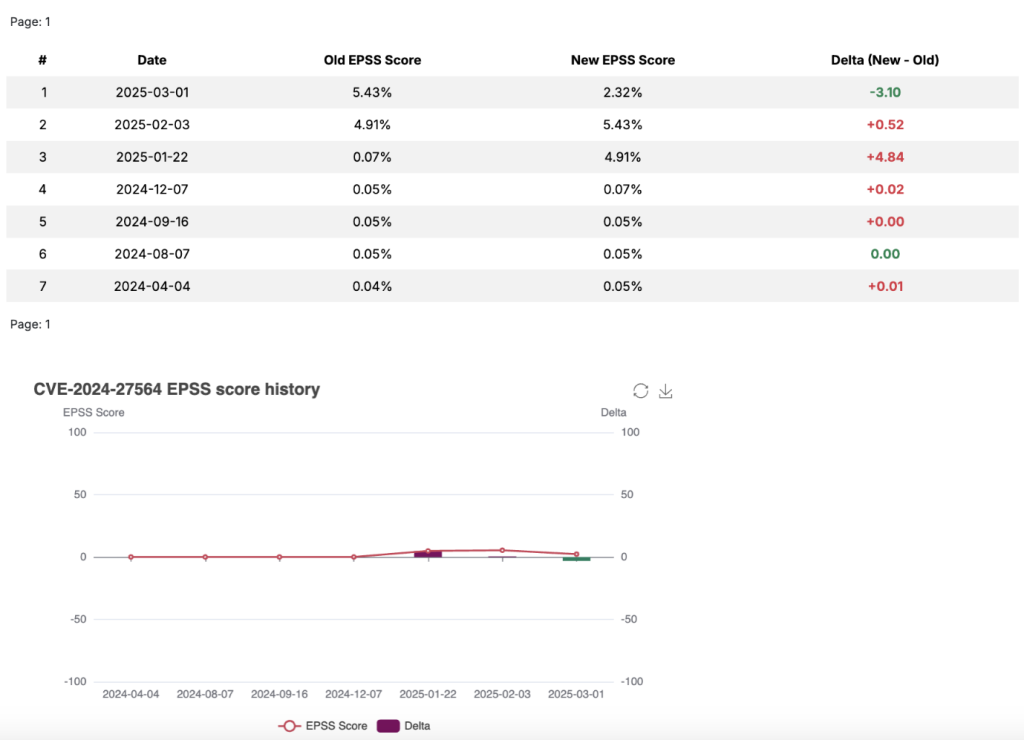
Despite its low EPSS rating, this vulnerability has already become a real-world attack vector, proving that severity scores don’t dictate actual risk.
Financial Sector: A Prime Target
Veriti’s research highlights that financial institutions are prime targets for attacks using CVE-2024-27564. Banks and fintech companies rely on AI services and APIs, which makes them susceptible to SSRF attacks that can compromise internal resources or steal sensitive information.
These attacks could lead to:
Data breaches
Unauthorized transactions
Regulatory penalties
Reputational damage
Ignoring medium-severity vulnerabilities is a costly mistake, particularly for high-value financial organizations.
Attackers Exploiting CVE-2024-27564 includes:
31.56.56[.]156
38.60.191[.]7
94.156.177[.]106
159.192.123[.]190
119.82.255[.]34
103.251.223[.]127
104.143.229[.]115
114.10.44[.]40
116.212.150[.]192
145.223.59[.]188
167.100.106[.]99
174.138.27[.]119
212.237.124[.]38
216.158.205[.]221
Next Steps for Security Teams:
Check your IPS, WAF, and Firewall configurations for protection against CVE-2024-27564.
Monitor logs for attack attempts from known attacker IPs.
Prioritize AI-related security gaps in risk assessments.
Source: veriti.ai, Hackread