InfoSecBulletin Cybersecurity for mankind
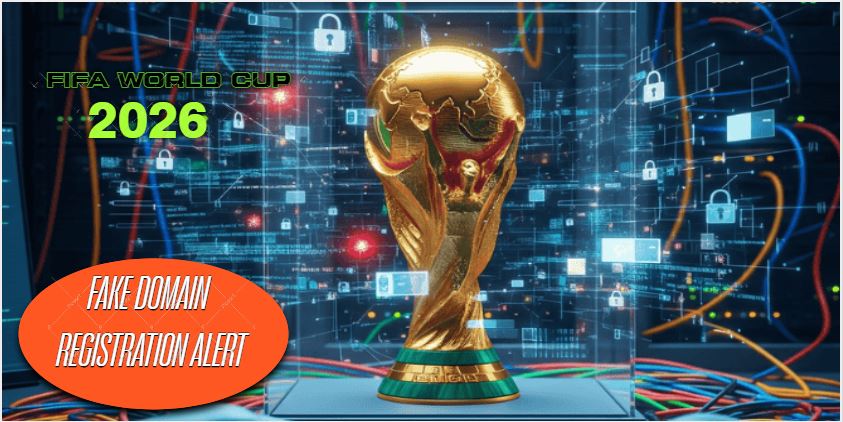
Domains aimed at capitalizing on the FIFA Club World Cup 2025 in the U.S. have been discovered, signaling preparations for the upcoming 2026 World Cup. PreCrime Labs from BforeAI, a cybersecurity firm focused on proactive threat prevention, reports that many domains for the FIFA World Cup 2026 have already been registered this year.

CISA adds PHP2Shell to KEV, PHP Releases New Security Updates to Fix Critical HTTP2Shell flaw

Cloudflare Unveils Emergency WAF Ruleset Update on Brotli flaw

Daily Cyber security update for 26.10. 2026

The Washington Post report
Ex-DOGE AI startup Cathedral Breaches Anthropic Internal Systems within 12 Hours
Daily Cyber security update for 25. 10. 2026

Daily Cyber security update for 24. 10. 2026

PHP shares new RCE flaw (CVE 2026-115560) with no patch but mitigation

US banks faced unauthorized access by AI agents in customer accounts: Axios reports

Atlassian patched 176 flaw in Jira and Confluence: Fortinet Urges to Patch Flaws Affecting FortiOS, FortiManager

Hacker claim to access Rajasthan Police data: 70,000 records allegedly exposed

“This highlights two key tactics used by attackers: they either repurpose old domains for new campaigns or register new ones well in advance,” said the researchers.
“By ‘aging’ these domains for a year or more, attackers can better avoid detection and improve their success rates as the event nears. We even discovered domains registered for the FIFA tournaments in 2030 and 2034.”
PreCrime says it has analyzed a set of 498 domains that contain FIFA, football (soccer), and World Cup-related brand terms (e.g., “worldcup,” “fifa,” “football”).
These domains include trademark typosquats, speculative registrations, fan and merchandise names, betting sites, and amateur football communities.

Researchers discovered a site using the title “FIFA World Cup Schedule” to attract users looking for official match info, but instead, they find a betting page.
It’s common for competitors to misuse trending keywords during major sporting events to increase visibility and social media reach.
The page content is in Mandarin Chinese, but FIFA and official broadcasters don’t actually use such channels for promotions. Prominent use of celebrity pictures and “official partner” keywords are used to establish legitimacy, which is not verifiable with FIFA’s actual sponsor list.

A webpage is promoting an “EV Map for World Cup 2026” to help fans find hotels and restaurants with EV chargers. However, it seems the real goal is to gather personal information through a B2B phishing scheme.
The most common scams linked to big sporting events are fraudulent websites featuring “Buy Tickets” buttons, which are a classic tactic for financial fraud.
Fake branding elements, particularly VISA payment logos, flags, and similar FIFA logos, were intentionally added to the domains.