InfoSecBulletin Cybersecurity for mankind

Germany’s top court ruled on Thursday that police can secretly install spy software on phones and computers only for serious crimes.
Key Points:
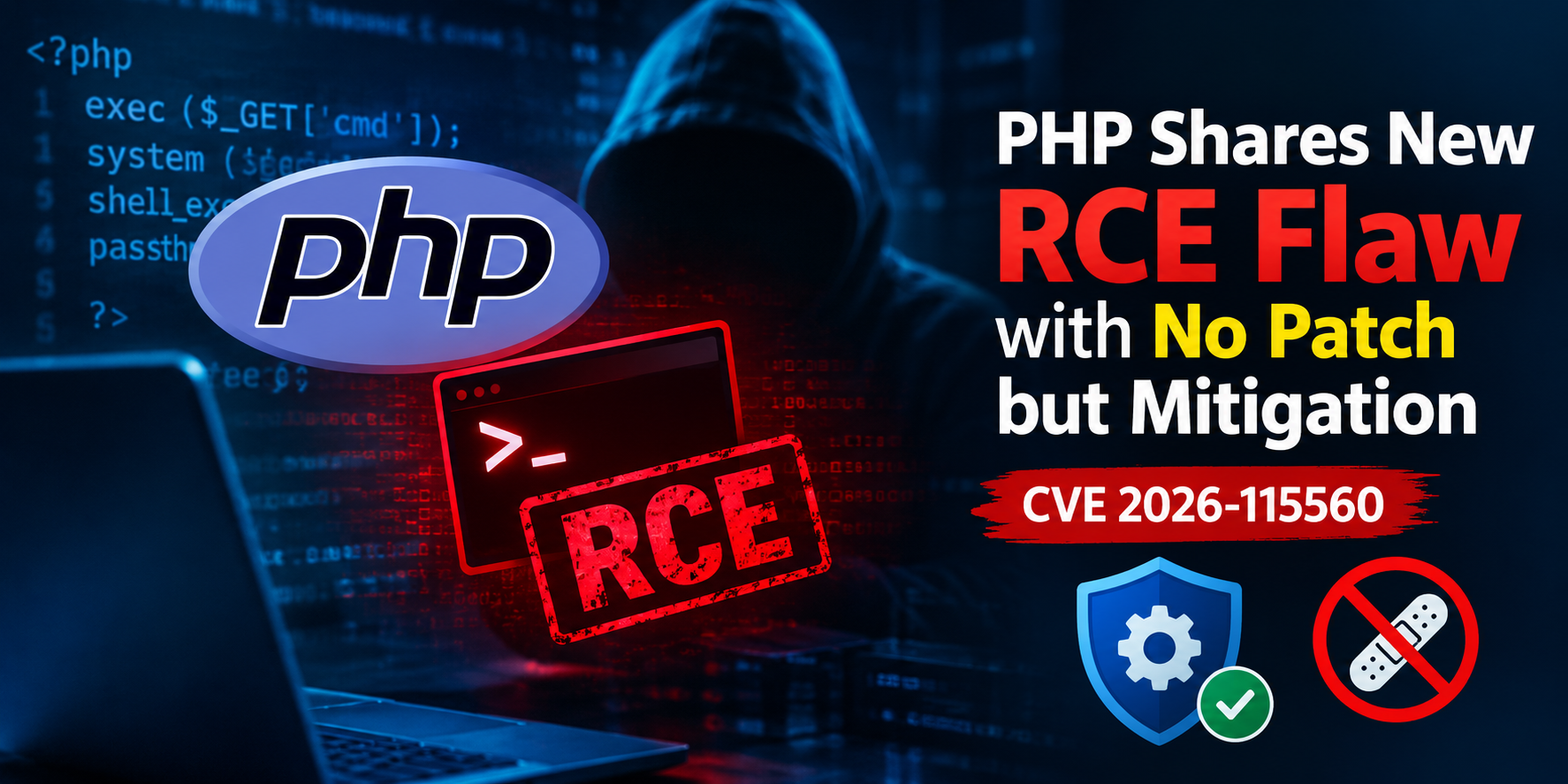
PHP shares new RCE flaw (CVE 2026-115560) with no patch but mitigation
US banks faced unauthorized access by AI agents in customer accounts: Axios reports

Atlassian patched 176 flaw in Jira and Confluence: Fortinet Urges to Patch Flaws Affecting FortiOS, FortiManager

Hacker claim to access Rajasthan Police data: 70,000 records allegedly exposed
Update now! PHP2Shell: Critical PHP vulnerabilities patched

Trump says data centres should pay dividends to local community

Hackers Actively Exploiting Palo Alto VPN Flaw Via CVE-2026-0257

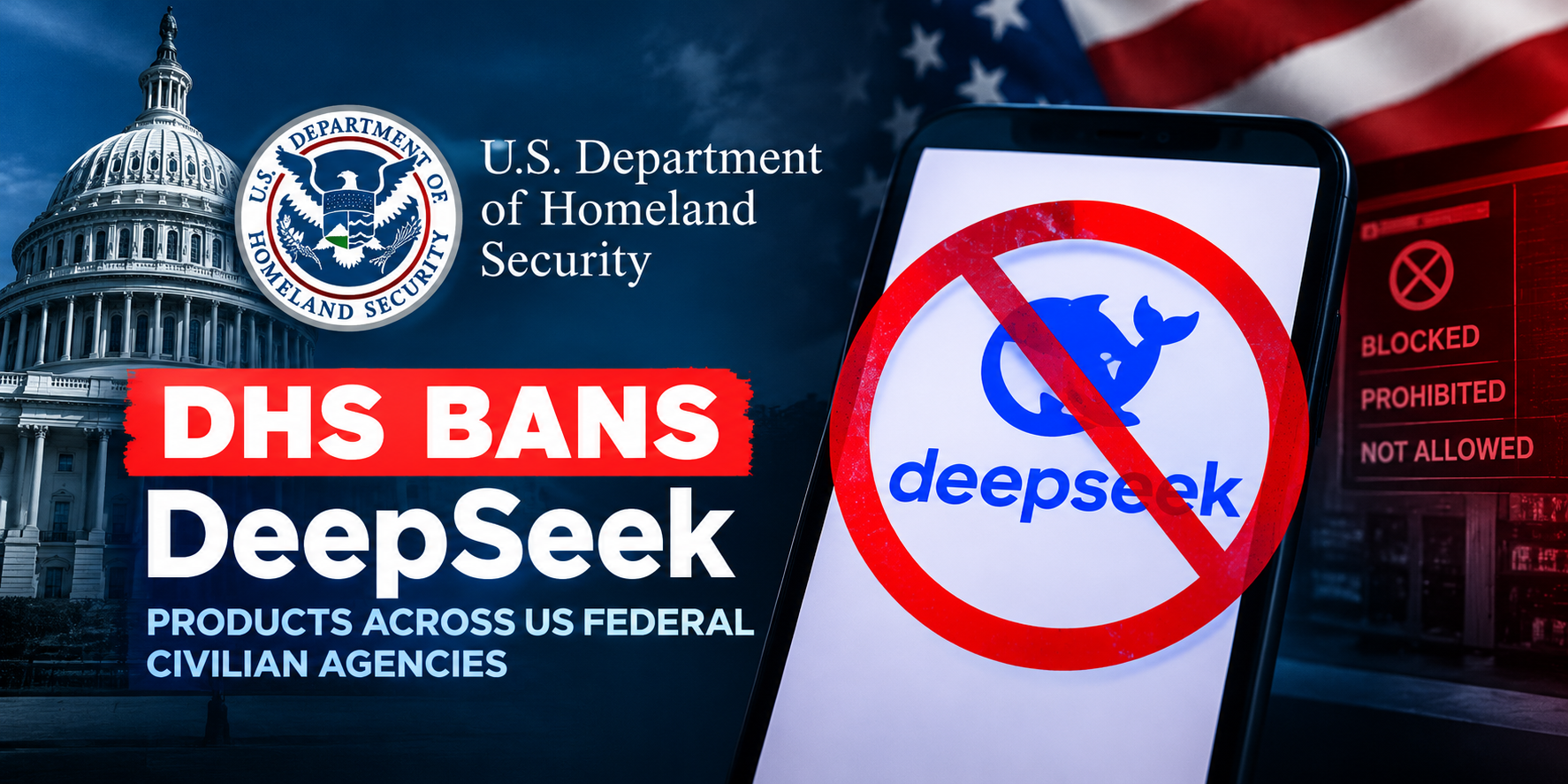
DeepSeek AI banned by U.S. Government; federal agencies must remove all related tools
CISA, NSA and NIST Publish New 10 AI Agent Control Guidelines
Claude AI Cracks 25-Year NSA Cryptography Number Mystery in Just 30 Minutes
German high court has limited the use of police spy software to serious criminal investigations.
The court called the use of spyware a “serious interference” with privacy rights.
The ruling came from a complaint by a digital rights group that a 2017 law was too broad.
Police cannot use spyware to investigate crimes, as this would violate the law, which carries a maximum sentence of three years.
Digital rights group Digitalcourage in Germany raised concerns about a 2017 reform that permits police to use spy software to monitor encrypted chats, such as WhatsApp, which could impact innocent individuals as well.
The court stated that the 2017 reform of the criminal procedure code was too vague about surveillance areas.
The court states that this kind of surveillance is a serious invasion and should only be used for investigating extremely serious crimes.
As a result, police cannot monitor telecommunications when investigating crimes that carry a maximum sentence of three years as they are not serious enough.
The court stated that investigators’ ability to secretly search suspects’ computers and smartphones partially conflicts with Germany’s Basic Law, but this will continue until new regulations are established.
Cyberattack hits France’s third-largest mobile operator, affecting millions