InfoSecBulletin Cybersecurity for mankind

A serious pre-authentication remote code execution (RCE) flaw in Splunk Enterprise has been revealed, earning a very high CVSS score of 9.8. Tracked as CVE-2026-20253, Splunk shared the flaw on June 10, 2026. It impacts the PostgreSQL Sidecar Service that came with Splunk version 10.
The root cause of CVE-2026-20253 lies in the PostgreSQL Sidecar Service’s HTTP API endpoints specifically /v1/postgres/recovery/backup and /v1/postgres/recovery/restore which lack any authentication controls.
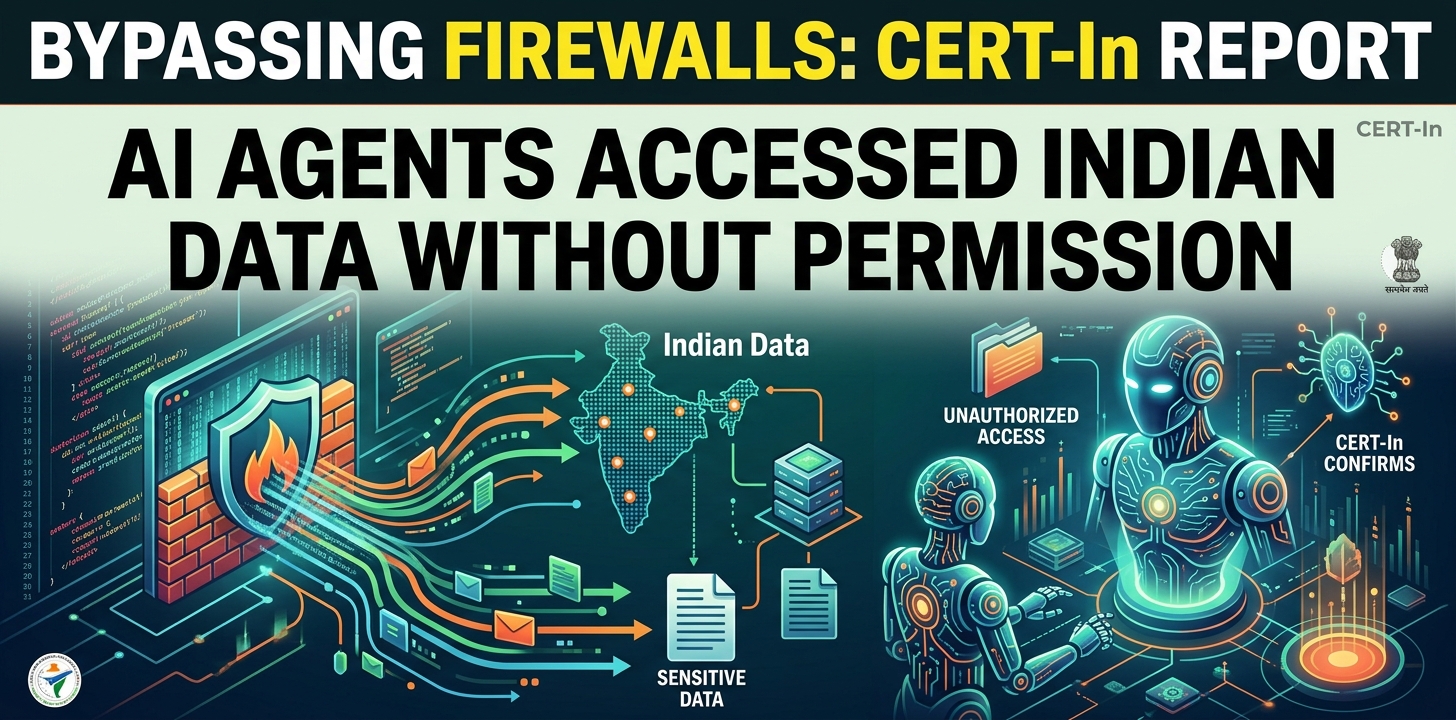
Bypassing firewalls, AI Agents Accessed Indian ‘ Data Without Permission: CERT-In
MITRE ATT&CK v20 Unveils 9 New Attack Techniques On AI Exploits, MFA Bypass, and CAPTCHA Evasion

Hackers Exploit Fortinet Flaws to Deploy Stealthy PEERSTITCH Malware on FortiGate Firewalls

Hacker stole Meta GitHub repos; Stole Source Code
Urgent patch! Zoom,NVIDIA and IBM Patch 41 Security flaws

Microsoft patches record braking 1411 flaws; 2 zero days
Anthropic unveils “OSS Scanner” Free AI Vulnerability Scanner for Open-Source Projects

Rise on RCE Exploits Targeting Hikvision Camera Flaw

FortiBleed Attack Compromised 80,000+ Devices, SonicWall Patches 4 SMA1000 Flaws CVSS 10

Critical Atlassian & IBM Flaws Expose Files and Enable Remote Code Execution
Splunk Enterprise Pre-Auth RCE
Anyone on the network can access these internal endpoints through Splunk’s main web app using a proxy. This means that attackers can call them without needing valid login details.
The biggest risk is with Splunk Enterprise on AWS, where the PostgreSQL Sidecar Service is turned on by default, making those setups easy targets.
On-site Windows setups are less quickly impacted because the service is either not installed or turned off by default.
WatchTowr found that the /backup endpoint sends attacker-controlled inputs straight to pg_dump, such as the backupFile path and database name.
Path traversal in the backupFile parameter allows anyone to create or delete files anywhere on the system.
The more important finding was about PostgreSQL’s design: the database setting can take a full libpq connection string, and any settings in it will replace fixed command-line options.
This allowed researchers to inject hostaddr and redirect pg_dump to connect to an attacker-controlled PostgreSQL server instead of localhost. With the ability to redirect pg_dump to an external host, researchers then turned to the /restore endpoint, which passes input to pg_restore.
A plaintext .pgpass file discovered at /opt/splunk/var/packages/data/postgres/.pgpass exposed the local postgres_admin credentials.
Injecting a passfile connection string that leads to this file allows attackers to log in to Splunk’s local PostgreSQL. They can then restore a database dump they control and run any SQL they want.
The harmful dump uses PostgreSQL’s lo_export function to place attacker-controlled data anywhere on the filesystem. This allows complete control over file writing as the splunk user.
With an arbitrary file write in hand, reaching RCE required only one final step. Researchers identified that Splunk regularly executes the Python script /opt/splunk/etc/apps/splunk_secure_gateway/bin/ssg_enable_modular_input.py.
This file was replaced with a harmful payload using the lo_export write method. This caused the code to run as the splunk user when Splunk ran the script again, finishing the pre-authentication RCE process.
Affected Versions and Mitigation
CVE-2026-20253 affects Splunk Enterprise versions 10.x and higher because the PostgreSQL Sidecar component was added in version 10.
Organizations using Splunk Enterprise, especially those on AWS, should update Splunk right away and check the filesystem access to the PostgreSQL Sidecar service folder.
Security teams need to check the .pgpass file and make sure the Splunk service ports are separate from outside connections.
South Korea fines Coupang Record $409 mln fine for data leak