Thursday , October 22 2026

Cisco Zero Day Bug Patch coming today

Cisco plans to release a patch for two zero-day flaws in its IOS XE devices on October 22. The first Cisco zero-day bug, which is named CVE-2023-20198, was reported on Oct. 16. By the time it was found, it had already been used by attackers to compromise over 10,000 Cisco devices. Cisco believes that all cyberattacks on its IOS XE devices are being perpetrated by the same threat actor.

Cisco recently updated its threat advisory on Oct. 20. They identified a new flaw, referred to as CVE-2023-20273, which was previously unknown. The flaw has a CVSS score of 7.2, which is slightly less severe. Both bugs are part of the same exploit chain.

Hacker claim to access Rajasthan Police data: 70,000 records allegedly exposed

Hacker offers to sell Rajasthan Government’s Department of Information Technology & Communication (DoIT&C) data in a underground forum. The threat...
Read More
Hacker claim to access Rajasthan Police data: 70,000 records allegedly exposed

Update now! PHP2Shell: Critical PHP vulnerabilities patched

The PHP team released urgent security updates to fix PHP2Shell, two serious flaws (CVE-2026-109618 and CVE-2026-109619) that let attackers run...
Read More
Update now! PHP2Shell: Critical PHP vulnerabilities patched

Trump says data centres should pay dividends to local community

US President Donald Trump said on Wednesday that companies ​building data centers should pay a "dividend" to the communities ‌where...
Read More
Trump says data centres should pay dividends to local community

Hackers Actively Exploiting Palo Alto VPN Flaw Via CVE-2026-0257

Ransomware groups are using a flaw in Palo Alto Networks GlobalProtect VPN to get around multi-factor authentication and access corporate...
Read More
Hackers Actively Exploiting Palo Alto VPN Flaw Via CVE-2026-0257

DeepSeek AI banned by U.S. Government; federal agencies must remove all related tools

The U.S. Department of Homeland Security (DHS) ordered federal agencies to stop using DeepSeek products and remove it from all...
Read More
DeepSeek AI banned by U.S. Government; federal agencies must remove all related tools

CISA, NSA and NIST Publish New 10 AI Agent Control Guidelines
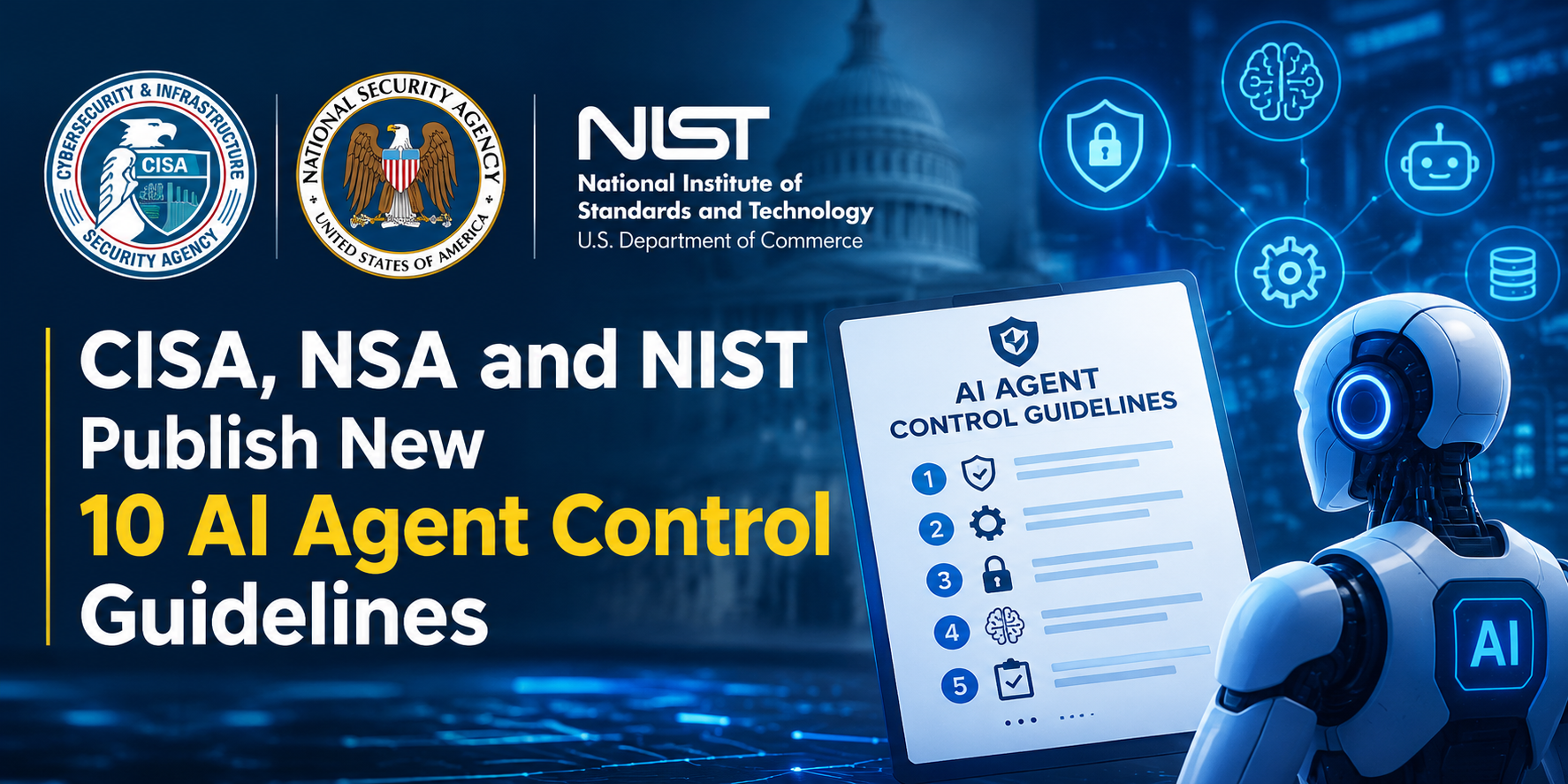
NSA, CISA, and NIST have released security guidelines to find, control, and stop AI agents that go beyond their allowed...
Read More
CISA, NSA and NIST Publish New 10 AI Agent Control Guidelines

Claude AI Cracks 25-Year NSA Cryptography Number Mystery in Just 30 Minutes

Anthropic says a Claude research model showed how the National Security Agency made seeds for five NIST elliptic curves in...
Read More
Claude AI Cracks 25-Year NSA Cryptography Number Mystery in Just 30 Minutes

Bypassing firewalls, AI Agents Accessed Indian ‘ Data Without Permission: CERT-In
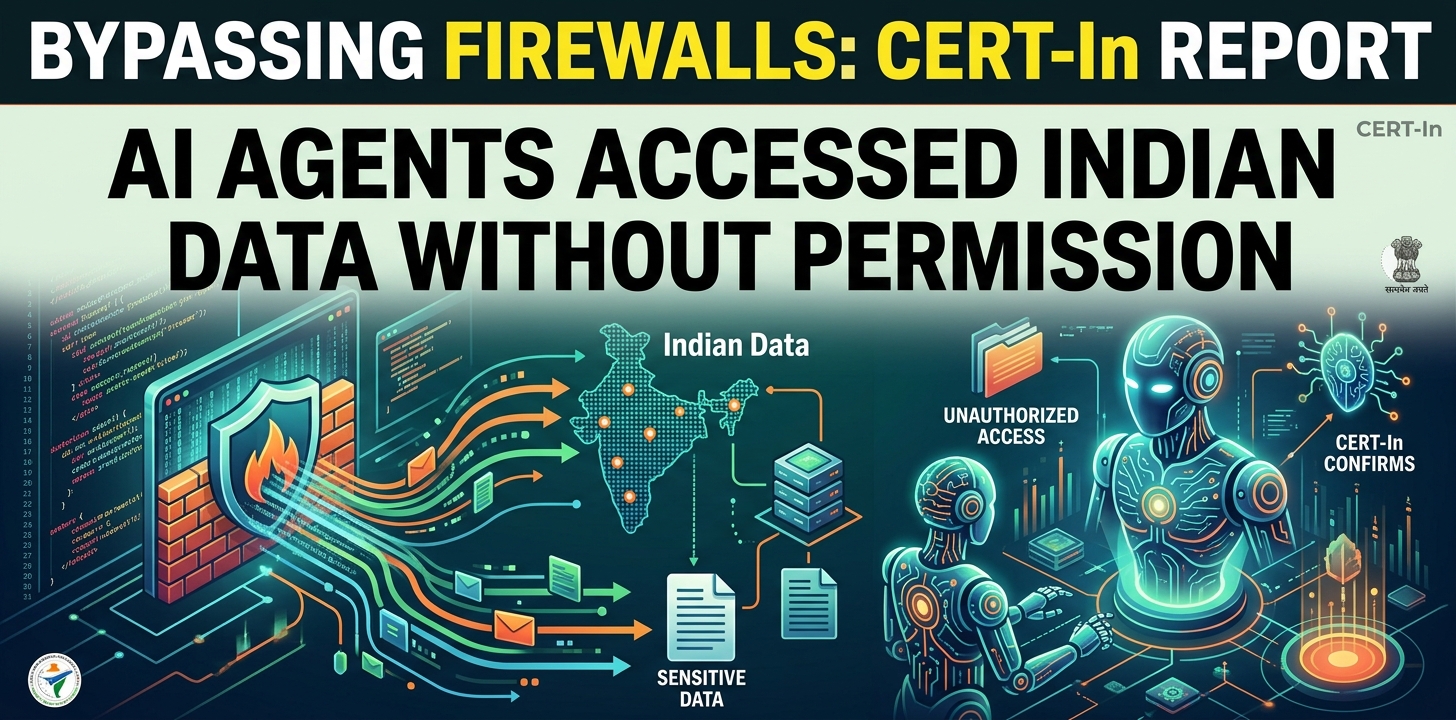
The Indian Computer Emergency Response Team (CERT-In), which is the government's cybersecurity arm, has issued a "critical" rated advisory after...
Read More
Bypassing firewalls, AI Agents Accessed Indian ‘ Data Without Permission: CERT-In

MITRE ATT&CK v20 Unveils 9 New Attack Techniques On AI Exploits, MFA Bypass, and CAPTCHA Evasion

MITRE released ATT&CK v20 adding nine Enterprise techniques that explain how attackers might target AI systems, steal app-specific passwords to...
Read More
MITRE ATT&CK v20 Unveils 9 New Attack Techniques On AI Exploits, MFA Bypass, and CAPTCHA Evasion

Hackers Exploit Fortinet Flaws to Deploy Stealthy PEERSTITCH Malware on FortiGate Firewalls

Cybersecurity researchers at Palo Alto Networks’ Unit 42 have uncovered a sophisticated cyberattack targeting Fortinet network management infrastructure, involving the...
Read More
Hackers Exploit Fortinet Flaws to Deploy Stealthy PEERSTITCH Malware on FortiGate Firewalls

Attackers used the first bug to gain initial access, and the second bug to escalate privileges after authentication, as stated in an email from Cisco announcing the upcoming patch release.

Cisco has clarified that they made a mistake in their earlier report about the bug. Initially, they thought the threat actor had combined a new zero-day with a patched vulnerability from 2021, which could have allowed the attacker to bypass the patch.

However, Cisco has now dismissed this theory. They stated this in a company statement. “The CVE-2021-1435 that had previously been mentioned is no longer assessed to be associated with this activity,” it said.

ALSO READ:

Chinese scammers exploit India’s digital payment ecosystem


Check Also

Claude

Claude AI Cracks 25-Year NSA Cryptography Number Mystery in Just 30 Minutes

Anthropic says a Claude research model showed how the National Security Agency made seeds for …