 InfoSecBulletin Cybersecurity for mankind
CISA has issued an alert about three critical security vulnerabilities that are currently being exploited. These issues are now part of CISA’s Known Exploited Vulnerabilities (KEV) catalog and require urgent action from organizations and individuals to avoid potential risks.
Vulnerability Breakdown:
PHP shares new RCE flaw (CVE 2026-115560) with no patch but mitigation

US banks faced unauthorized access by AI agents in customer accounts: Axios reports

Atlassian patched 176 flaw in Jira and Confluence: Fortinet Urges to Patch Flaws Affecting FortiOS, FortiManager

Hacker claim to access Rajasthan Police data: 70,000 records allegedly exposed
Update now! PHP2Shell: Critical PHP vulnerabilities patched

Trump says data centres should pay dividends to local community

Hackers Actively Exploiting Palo Alto VPN Flaw Via CVE-2026-0257

DeepSeek AI banned by U.S. Government; federal agencies must remove all related tools
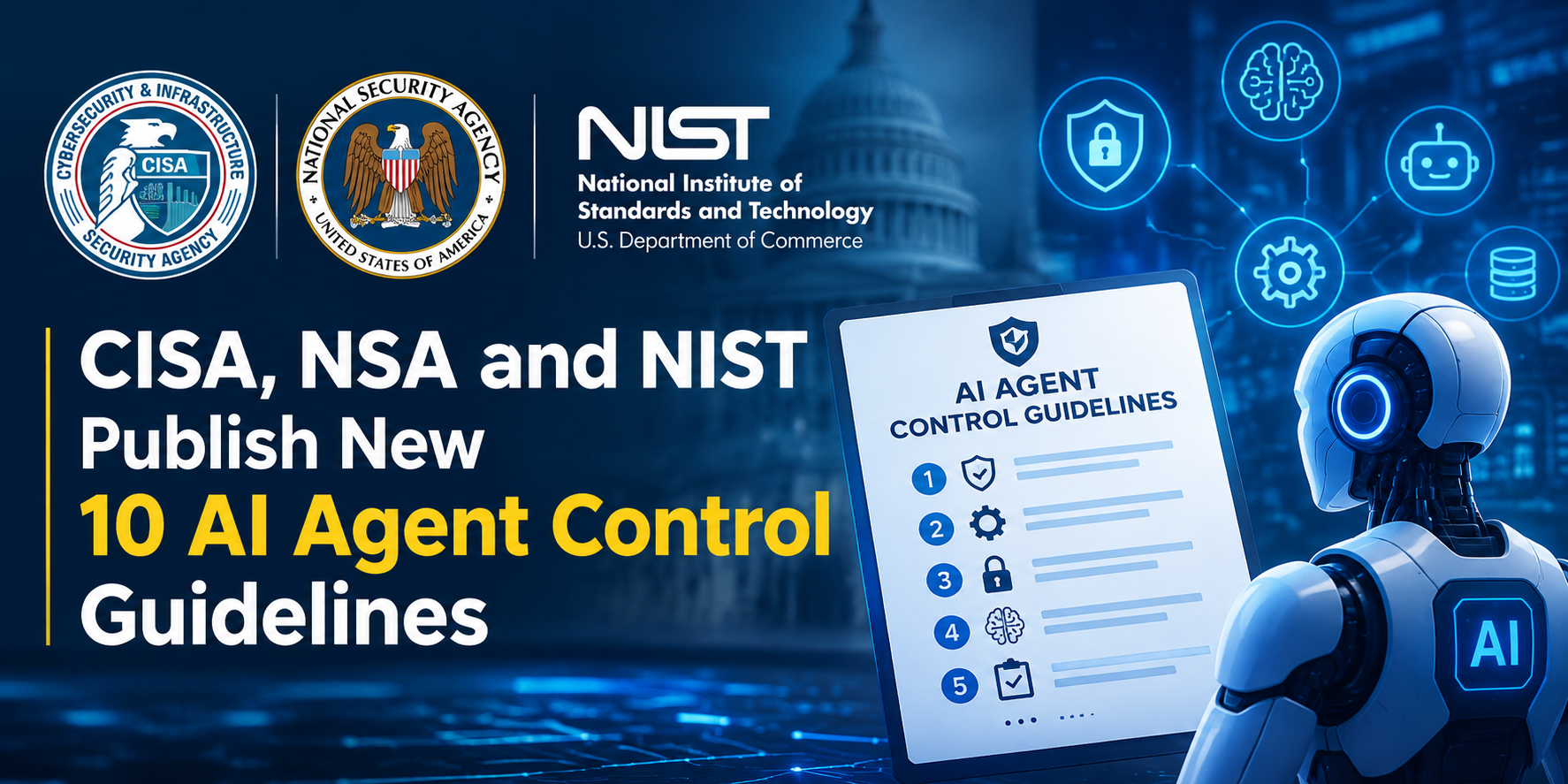
CISA, NSA and NIST Publish New 10 AI Agent Control Guidelines
Claude AI Cracks 25-Year NSA Cryptography Number Mystery in Just 30 Minutes

CVE-2023-45727 (CVSS 7.5): A vulnerability in Proself Enterprise/Standard Edition, Proself Gateway Edition, and Proself Mail Sanitize Edition (versions before 5.63, 1.66, and 1.08) allows remote, unauthenticated attackers to perform XML External Entity (XXE) attacks. Exploiting this could give them unauthorized access to sensitive account information on affected servers.
CVE-2024-11680 (CVSS 9.8): A critical vulnerability in ProjectSend (versions before r1720) allows remote, unauthenticated attackers to alter the application’s settings through specially crafted HTTP requests. This can result in unauthorized account creation, web shell uploads, and malicious JavaScript injection, giving attackers control over compromised systems. Public exploits, including Nuclei templates and Metasploit modules, have led to widespread exploitation. Research from Vulncheck shows that 99% of ProjectSend instances are still vulnerable, with active exploitation noted since September. Censys reported 4,026 publicly accessible ProjectSend instances, mostly (40%) in the United States, and about 9% using CloudFlare’s infrastructure.
CVE-2024-11667 (CVSS 7.5): A directory traversal vulnerability affects Zyxel ATP, USG FLEX, and USG20(W)-VPN series firmware versions V5.00 to V5.38. It allows attackers to download or upload files via specially crafted URLs, risking sensitive data and system integrity. This vulnerability is associated with the Helldown ransomware, particularly impacting German organizations.
CISA’s Call to Action:
CISA advises all users and organizations to quickly patch affected systems to reduce risks from actively exploited vulnerabilities. Federal Civilian Executive Branch agencies have until December 24, 2024, to apply these patches to protect their networks.