 InfoSecBulletin Cybersecurity for mankind
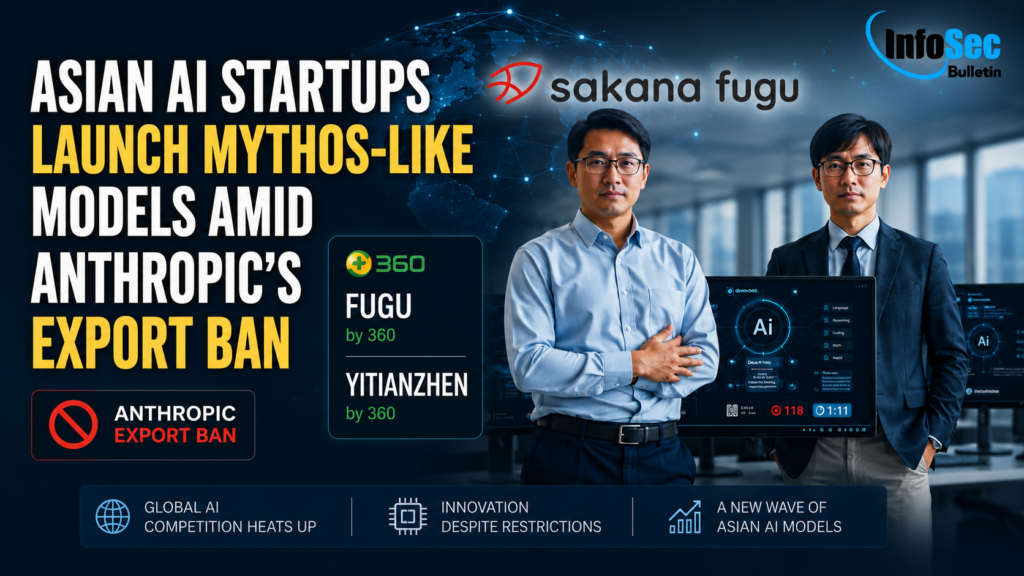
Two Asian AI companies have released new models this week that compete with Anthropic’s recently limited Mythos and Fable models, as a U.S. export ban on those technologies reaches its third week. These actions show an increasing effort in the region to cover gaps left by U.S. export ban.
New models emerge from Tokyo and Beijing
Claude AI Cracks 25-Year NSA Cryptography Number Mystery in Just 30 Minutes

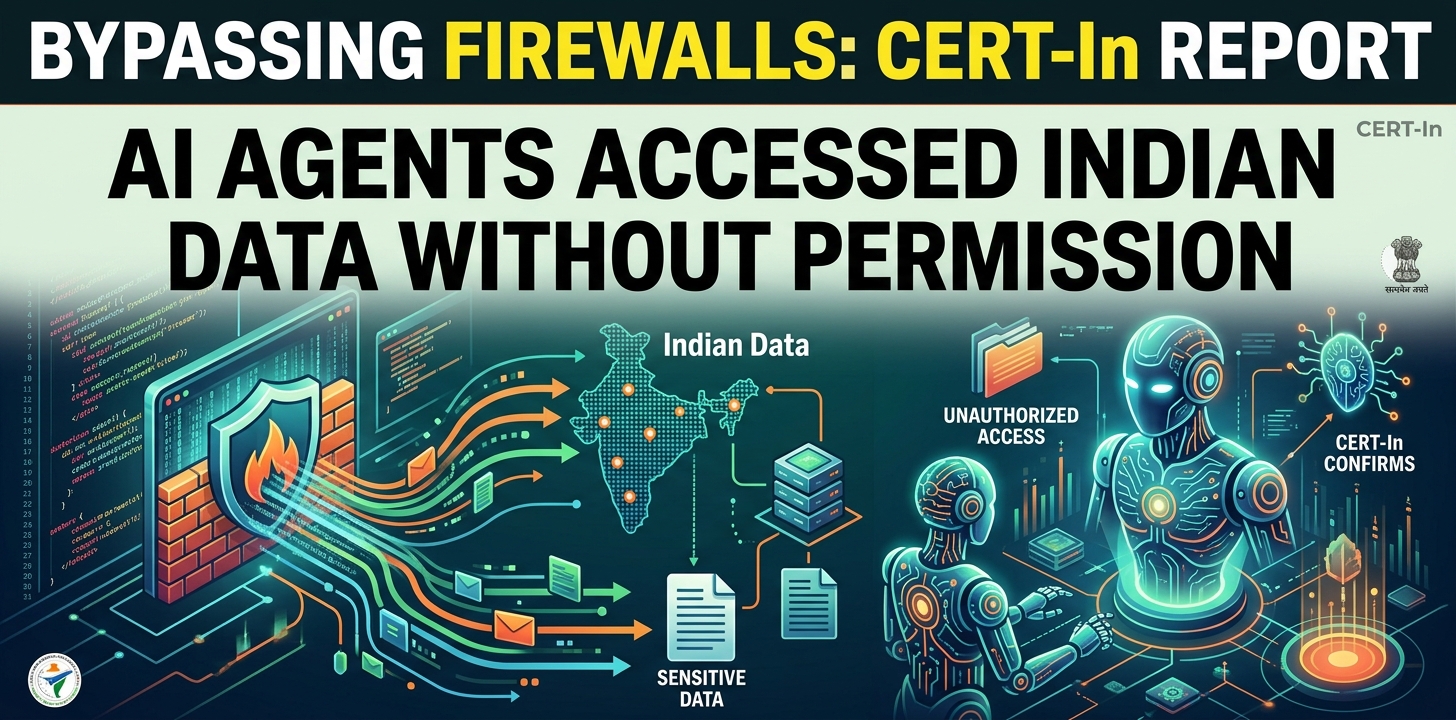
Bypassing firewalls, AI Agents Accessed Indian ‘ Data Without Permission: CERT-In
MITRE ATT&CK v20 Unveils 9 New Attack Techniques On AI Exploits, MFA Bypass, and CAPTCHA Evasion

Hackers Exploit Fortinet Flaws to Deploy Stealthy PEERSTITCH Malware on FortiGate Firewalls

Hacker stole Meta GitHub repos; Stole Source Code

Urgent patch! Zoom,NVIDIA and IBM Patch 41 Security flaws

Microsoft patches record braking 1411 flaws; 2 zero days

Anthropic unveils “OSS Scanner” Free AI Vulnerability Scanner for Open-Source Projects

Rise on RCE Exploits Targeting Hikvision Camera Flaw

FortiBleed Attack Compromised 80,000+ Devices, SonicWall Patches 4 SMA1000 Flaws CVSS 10

On Wednesday, the Chinese cybersecurity company 360 introduced Tulongfeng, an AI tool that finds software weaknesses on its own. They also showed Yitianzhen, a system for automatic cyber protection and response. The company says Tulongfeng can compete with Anthropic’s Mythos, an AI model for cybersecurity that the Trump Administration stopped from being exported to non-Americans two weeks ago.
Earlier this week, Sakana AI from Tokyo released Fugu, which is named after the Japanese word for blowfish. The company claims this new AI model is on par with top models like Anthropic’s Fable 5 and Mythos Preview. Fugu is made for tasks that involve agents and can connect to other models through their APIs.
Timing and market context
The launches happen while the U.S. government still has a ban on exporting Anthropic’s Mythos and Fable models. This ban, set two weeks ago, stops Anthropic from giving access to these systems worldwide. A Sakana AI spokesperson told that the timing of Fugu’s release was “entirely coincidental,” but acknowledged the company is capitalizing on the moment. Its website advertises “delivering frontier capability without the risk of export controls.”
“Sakana Fugu is something we have been building since last year — the research behind it was presented at ICLR this spring, and it reflects an approach that is central to how we deliver frontier-level value at Sakana AI,” the spokesperson said.
“We were confident in the product on its own merits; the timing simply happened to coincide with a moment that brought it more attention than we expected.”
Sakana AI’s strategy: hedge, not replace
Sakana was started in 2023 by ex-Google researchers Ren Ito, Llion Jones, and David Ha. The company makes low-cost AI models that are made for the Japanese language and culture. They are focusing on Fugu for Japanese businesses and government groups that want to deal with stricter export rules. However, the company believes this isn’t a permanent move away from U.S. AI.
“U.S. models remain important to Asia,” the spokesperson said, echoing remarks co-founder Ren Ito made at the G7 summit in Evian last week. “We’d characterize the current moment in those terms rather than as a permanent realignment toward any one set of players.”
Orchestration as the next frontier
David Ha, who started Sakana and is its CEO, said Fugu is not just taking advantage of a weak time for U.S. competitors. It helps manage how agents are used across different models.
“Orchestration Models are the next frontier, beyond bigger models,” he wrote on X. Relying on a single provider for national infrastructure, he argued, is a risk the recent export controls made impossible to ignore. “Access to top models can disappear overnight,” he wrote. “Collective intelligence is the practical hedge against this concentration of power.”
China’s 360 takes a different approach
Sakana used Fugu as a safety plan, but China’s 360 did not. Reuters reported that 360’s founder, Zhou Hongyi, called AI that finds weaknesses a key national resource. He warned about “one-way transparency,” meaning some people could use advanced tools to find vulnerabilities while others couldn’t.
Impact on Anthropic and the broader market
Anthropic has grown a lot. In May 2026, the U.S. AI lab said it made $47 billion a year. We don’t know how much of that comes from Asian businesses. Since the export order started, two companies — one in Tokyo and one in Beijing — have filled the gap it left.
The launch of competing models by Sakana AI and 360 shows a rising reaction in the region to U.S. export rules on advanced AI. Although the future market situation is unclear, the short-term impact is obvious: Asian companies now have options that lessen their reliance on U.S. technology, and the chance for U.S. AI leadership in the area may be shrinking.
Anthropic Confirms US Infrastructure Redeployment of Claude Mythos 5