InfoSecBulletin Cybersecurity for mankind

On Tuesday, Apple fixed a critical zero-day vulnerability affecting nearly all supported iPhones and iPads. The company noted that it could have been exploited in a extremely sophisticated attack against targeted individuals using older iOS versions.
The vulnerability, identified as CVE-2025-24201, allows attackers to break out of the Web Content sandbox and Cupertino warns that it “may have been exploited in an extremely sophisticated attack against specific targeted individuals on versions of iOS before iOS 17.2.”
US banks faced unauthorized access by AI agents in customer accounts: Axios reports

Atlassian patched 176 flaw in Jira and Confluence: Fortinet Urges to Patch Flaws Affecting FortiOS, FortiManager

Hacker claim to access Rajasthan Police data: 70,000 records allegedly exposed

Update now! PHP2Shell: Critical PHP vulnerabilities patched

Trump says data centres should pay dividends to local community

Hackers Actively Exploiting Palo Alto VPN Flaw Via CVE-2026-0257

DeepSeek AI banned by U.S. Government; federal agencies must remove all related tools

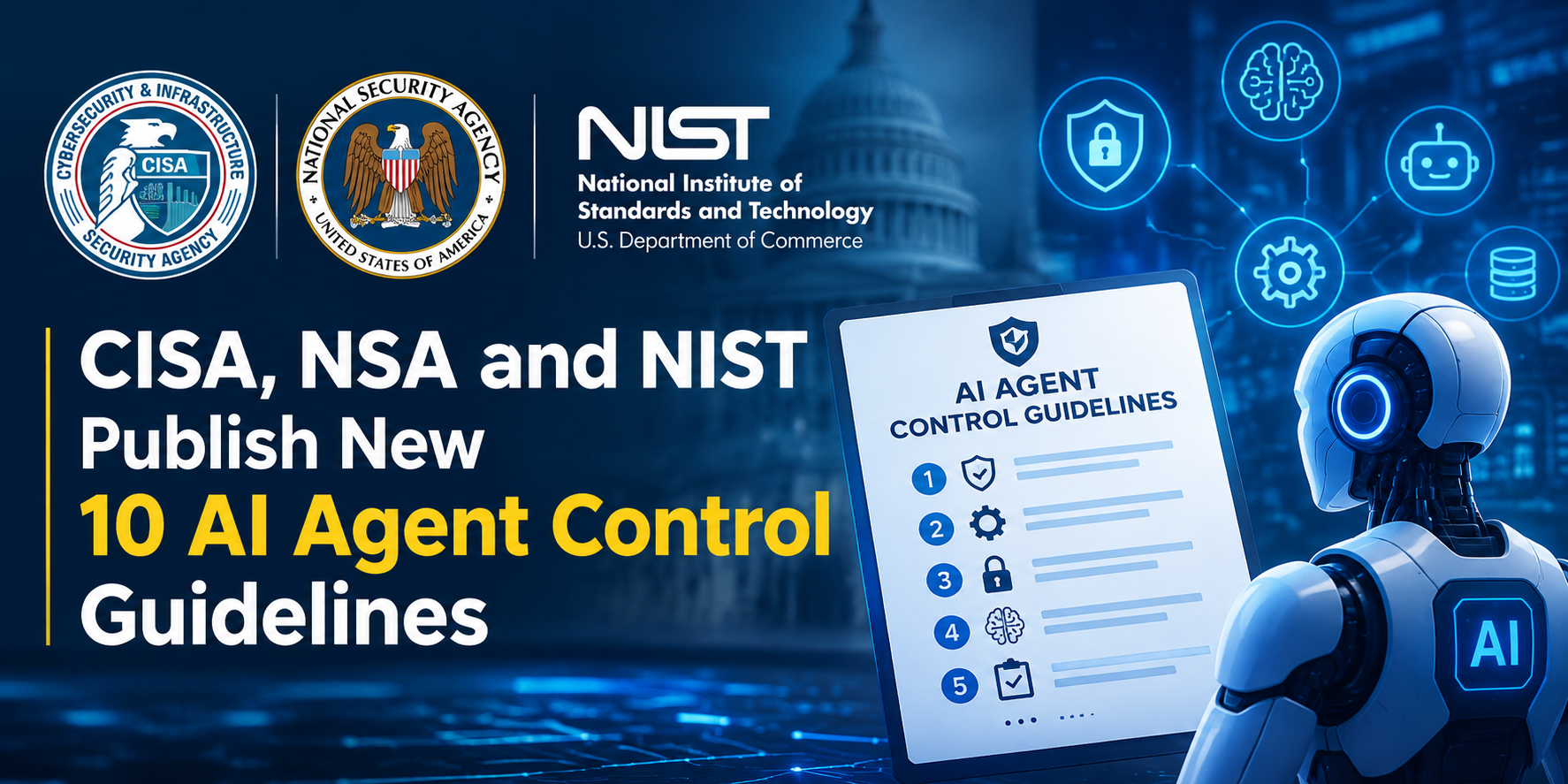
CISA, NSA and NIST Publish New 10 AI Agent Control Guidelines
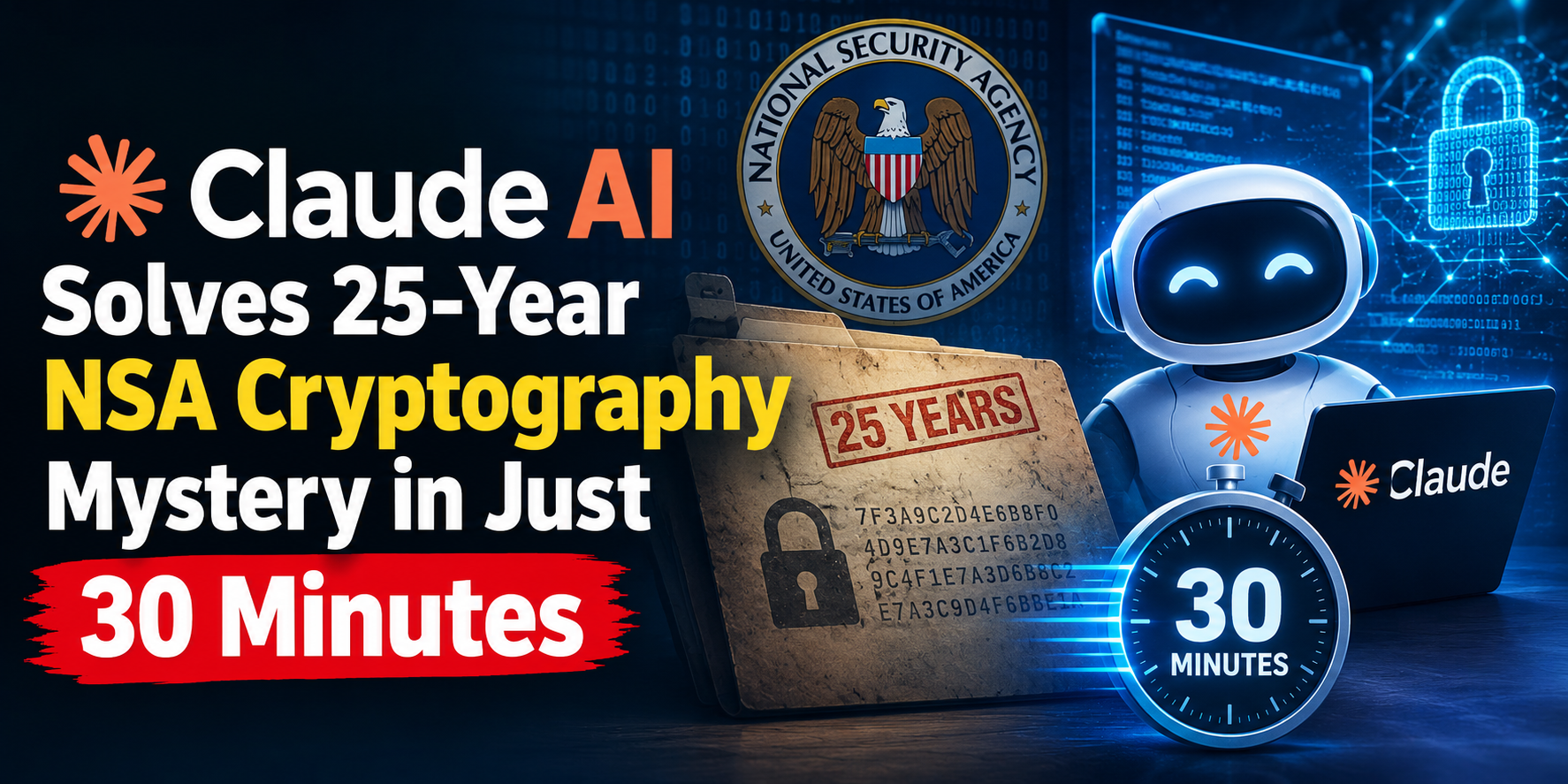
Claude AI Cracks 25-Year NSA Cryptography Number Mystery in Just 30 Minutes
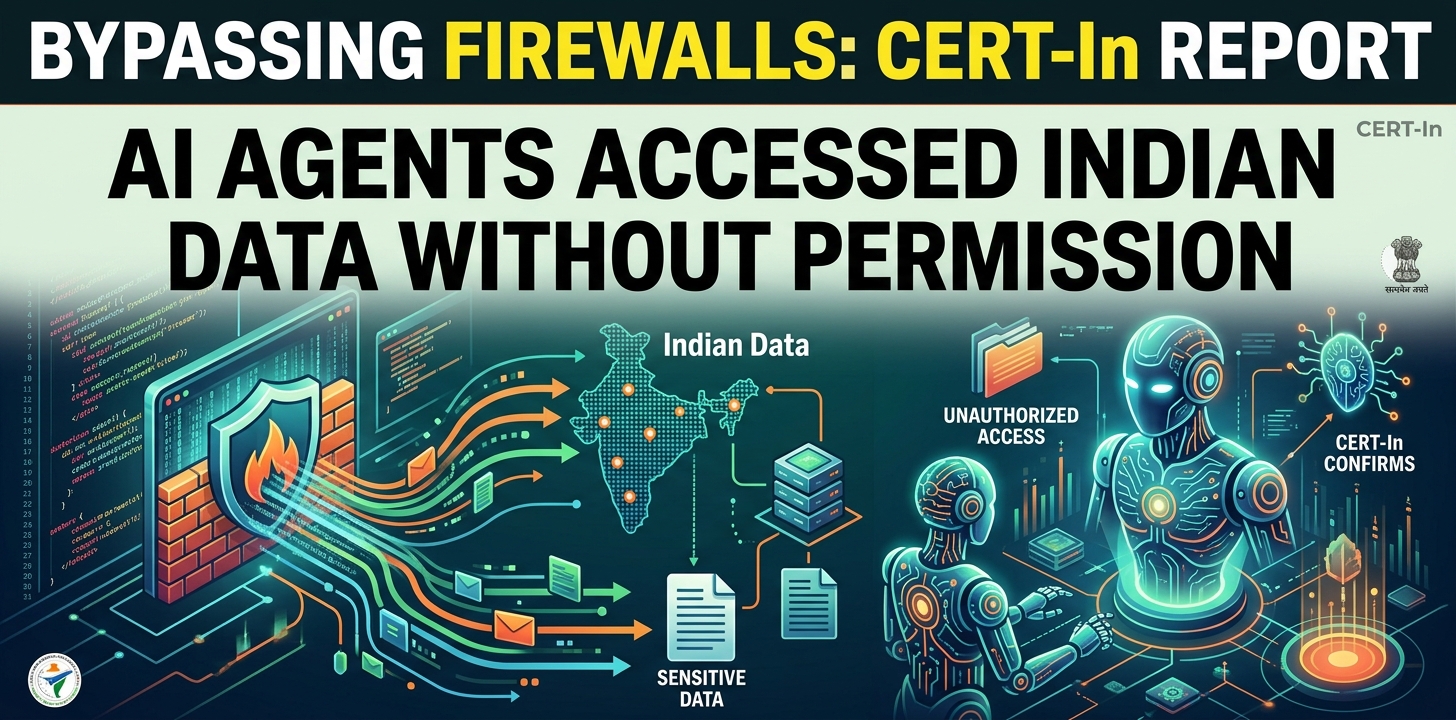
Bypassing firewalls, AI Agents Accessed Indian ‘ Data Without Permission: CERT-In
“This is a supplementary fix for an attack that was blocked in iOS 17.2,” the company said in a barebones bulletin.
“For our customers’ protection, Apple doesn’t disclose, discuss, or confirm security issues until an investigation has occurred and patches or releases are available,” the company added.
Apple identified the bug as an out-of-bounds write issue and fixed it by enhancing checks to prevent unauthorized actions.
iOS 18.3.2 was released a month after Apple fixed a security issue that let attackers with physical access disable USB Restricted Mode on locked iPhones and iPads.
The company stated that the bug enabled a highly advanced attack on specific individuals. Bill Marczak from The Citizen Lab at the University of Toronto discovered the exploit, indicating it was used for nation-state surveillance.
USB Restricted Mode is a security feature that prevents data access through the Lightning/USB-C port on an iPhone or iPad after the device has been locked for over an hour. It aims to protect against hacking tools that use USB to attempt to break the device’s passcode or extract data.