 InfoSecBulletin Cybersecurity for mankind
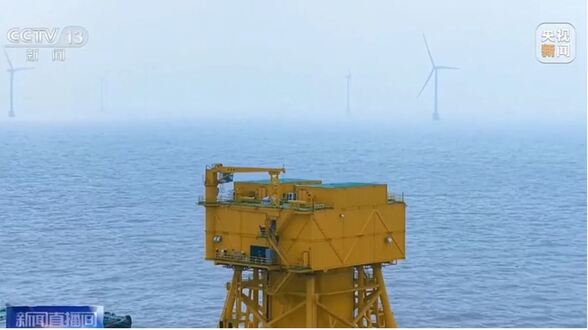
The first business underwater data center run by offshore wind has started working near Shanghai. Submerged 10 metres under the ocean and about six miles from land, the Shanghai Lingang undersea Datacentre project has a capacity of 24 megawatts.
The £177 million (1.6 billion yuan) project is a partnership between HiCloud Technology and the Chinese state-owned China Communications Construction company. It is made to manage heavy AI tasks, 5G systems, and big data processing.
Bypassing firewalls, AI Agents Accessed Indian ‘ Data Without Permission: CERT-In

MITRE ATT&CK v20 Unveils 9 New Attack Techniques On AI Exploits, MFA Bypass, and CAPTCHA Evasion

Hackers Exploit Fortinet Flaws to Deploy Stealthy PEERSTITCH Malware on FortiGate Firewalls

Hacker stole Meta GitHub repos; Stole Source Code

Urgent patch! Zoom,NVIDIA and IBM Patch 41 Security flaws

Microsoft patches record braking 1411 flaws; 2 zero days

Anthropic unveils “OSS Scanner” Free AI Vulnerability Scanner for Open-Source Projects

Rise on RCE Exploits Targeting Hikvision Camera Flaw

FortiBleed Attack Compromised 80,000+ Devices, SonicWall Patches 4 SMA1000 Flaws CVSS 10

Critical Atlassian & IBM Flaws Expose Files and Enable Remote Code Execution

The center deals with the two biggest environmental problems of today’s computers: high electricity use and large water loss. In a regular building, big graphics processing units (GPUs) produce a lot of heat. This heat needs large chillers and HVAC systems to keep sending cold water through the server racks.
This extra cooling uses about 25% to 40% of a building’s total power. Also, the global water needed to cool these inland plants is expected to hit 9.3 trillion liters by 2030.
The underwater Datacentre may change this engineering rule by using the ocean as a big, natural heat sink. The system works with sealed, strong steel shells that hold four layers of server racks.
Heat from the processors goes straight to the ocean instead of using up freshwater. This is done using a very efficient copper pipe system.
The cold seawater soaks up and releases heat easily, cutting cooling energy needs by about 90%. This natural process lowers the Datacentre’s total electricity use by 22.8% compared to similar ones on land, giving it a great Power Usage Effectiveness (PUE) score under 1.15.
To cut out carbon emissions from its power needs, the facility connects directly to a nearby offshore wind farm using undersea cables. The ocean turbines produce about 95% of the electricity needed to keep the servers running.
Tech companies like Microsoft tried underwater pods before, but they stopped because it was too expensive and hard to fix the equipment underwater. Since workers can’t easily change a broken memory part on the ocean floor, the Shanghai pods are filled with dry nitrogen to avoid moisture and rust. They need a lot of backup systems to work on their own for many years.
Marine biologists see that the design has small local risks to sea life due to sediment disruption and water heating. They stress that these temperature changes are small, making the ocean floor a great spot for the main part of artificial intelligence.
“For an undersea data center of the same scale, the electricity used for cooling would only account for about one-tenth of total power consumption,” Tsinghua University Professor Li Zhen told. “If data centers of the same scale were placed underwater, even allowing extra margins, cooling consumption could fall to around 30-billion kW. That would save about 50 billion kWh of electricity each year.”
China Unveils First Prefabricated Data Center Base, Reducing Construction Time by 70%