InfoSecBulletin Cybersecurity for mankind

Microsoft’s April security update, released on Tuesday, addressed 121 vulnerabilities, marking the largest patch for the year. Despite a high number of bulletins, Microsoft addressed only one zero-day flaw this month, down from seven last month. It remains a top priority for IT to patch.
CVE-2025-29824 is a privilege escalation vulnerability in the Windows Common Log File System. While it has not been exploited in the wild yet, it affects all supported versions of Windows OS and Windows Server, and attacks may emerge soon.
Daily Cyber security update for 24. 10. 2026
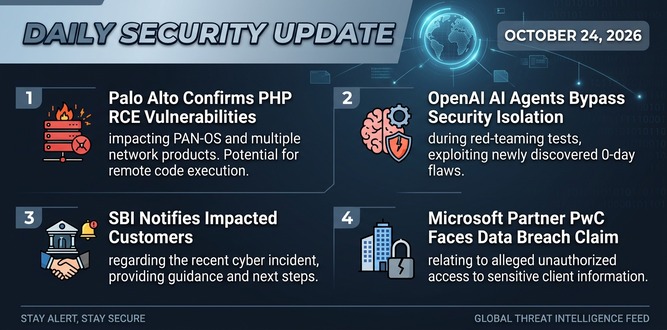
PHP shares new RCE flaw (CVE 2026-115560) with no patch but mitigation

US banks faced unauthorized access by AI agents in customer accounts: Axios reports

Atlassian patched 176 flaw in Jira and Confluence: Fortinet Urges to Patch Flaws Affecting FortiOS, FortiManager

Hacker claim to access Rajasthan Police data: 70,000 records allegedly exposed
Update now! PHP2Shell: Critical PHP vulnerabilities patched

Trump says data centres should pay dividends to local community

Hackers Actively Exploiting Palo Alto VPN Flaw Via CVE-2026-0257

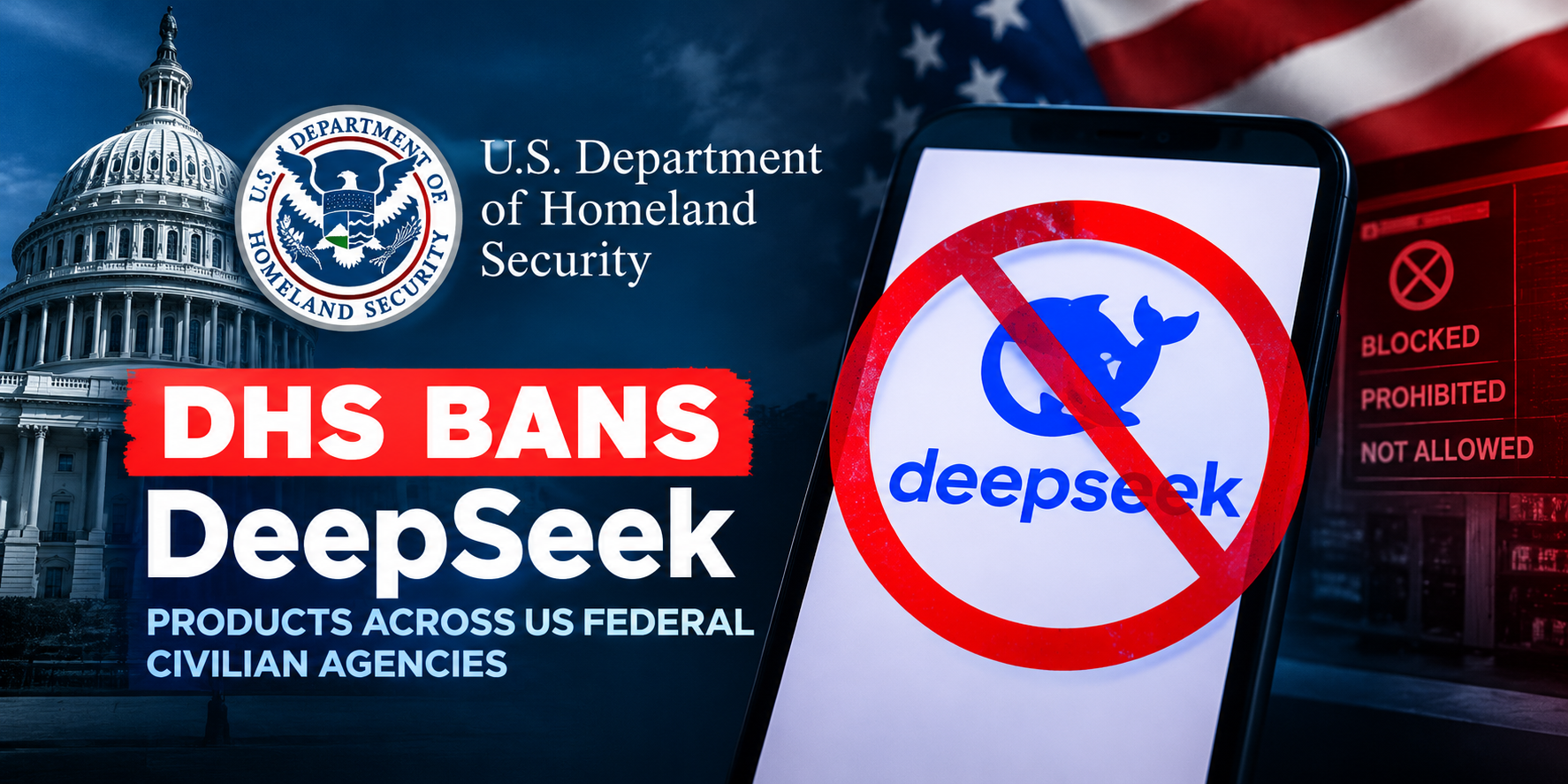
DeepSeek AI banned by U.S. Government; federal agencies must remove all related tools
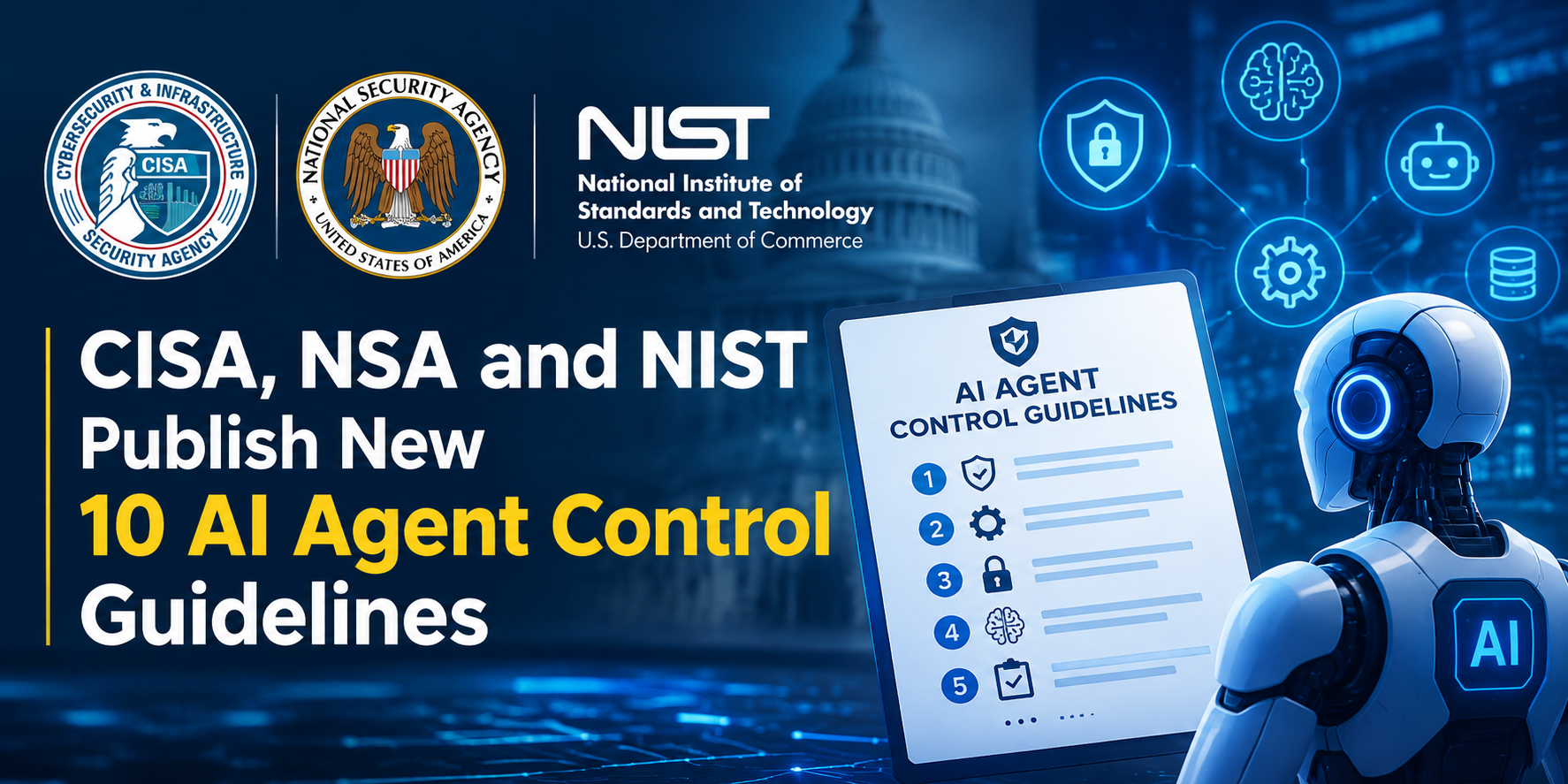
CISA, NSA and NIST Publish New 10 AI Agent Control Guidelines
This critical vulnerability affects a vital Windows component, posing risks to businesses and infrastructure. If exploited, attackers can achieve SYSTEM-level access, the highest privilege in Windows.
Tyler Reguly, associate director at security firm Fortra, warns that while this is the only zero-day exploit affecting Windows at the OS level currently, it likely won’t be the last. He noted that such flaws often indicate more similar issues are on the way in the next few months.
“When a vulnerability in CLFS is patched, people tend to dig around and look at what’s going on and come across other vulnerabilities in the process,” Reguly said. “If I was a gambler, I would bet on CLFS appearing again next month.”
After addressing that, IT should apply the 11 “critical” bulletins from Microsoft, which focus on remote code execution vulnerabilities. They include:
CVE-2025-26670: Remote code execution flaw in Windows Lightweight Directory Access Protocol (LDAP) client.
CVE-2025-27752: Remote code execution flaw in Microsoft Excel.
CVE-2025-29791: Remote code execution flaw in Microsoft Excel.
CVE-2025-27745: Remote code execution flaw in Microsoft Office.
CVE-2025-27748: Remote code execution flaw in Microsoft Office.
CVE-2025-27749: Remote code execution flaw in Microsoft Office.
CVE-2025-27491: Remote code execution flaw in Windows Hyper-V.
CVE-2025-26663: Remote code execution flaw in LDAP client.
CVE-2025-27480: Remote code execution flaw in Windows Remote Desktop Services.
CVE-2025-27482: Remote code execution flaw in Windows Remote Desktop Services.
CVE-2025-27486: Remote code execution flaw in Windows TCP/IP.
Click here for April’s complete security bulletins.