InfoSecBulletin Cybersecurity for mankind

Cisco and F5 have expanded their partnership with a new technology that helps businesses distribute heavy traffic across multiple locations, ensuring that services are always available and improving the performance of applications.
The companies have joined forces, incorporating Cisco’s ACI Multi-Site/Multi-Pod package with F5’s Big IP DNS software. This helps customers better use resources across multiple locations. Yousuf Khan, Vice President of Technical Marketing at Cisco’s enterprise and datacenter networking group, explains.
Claude AI Cracks 25-Year NSA Cryptography Number Mystery in Just 30 Minutes

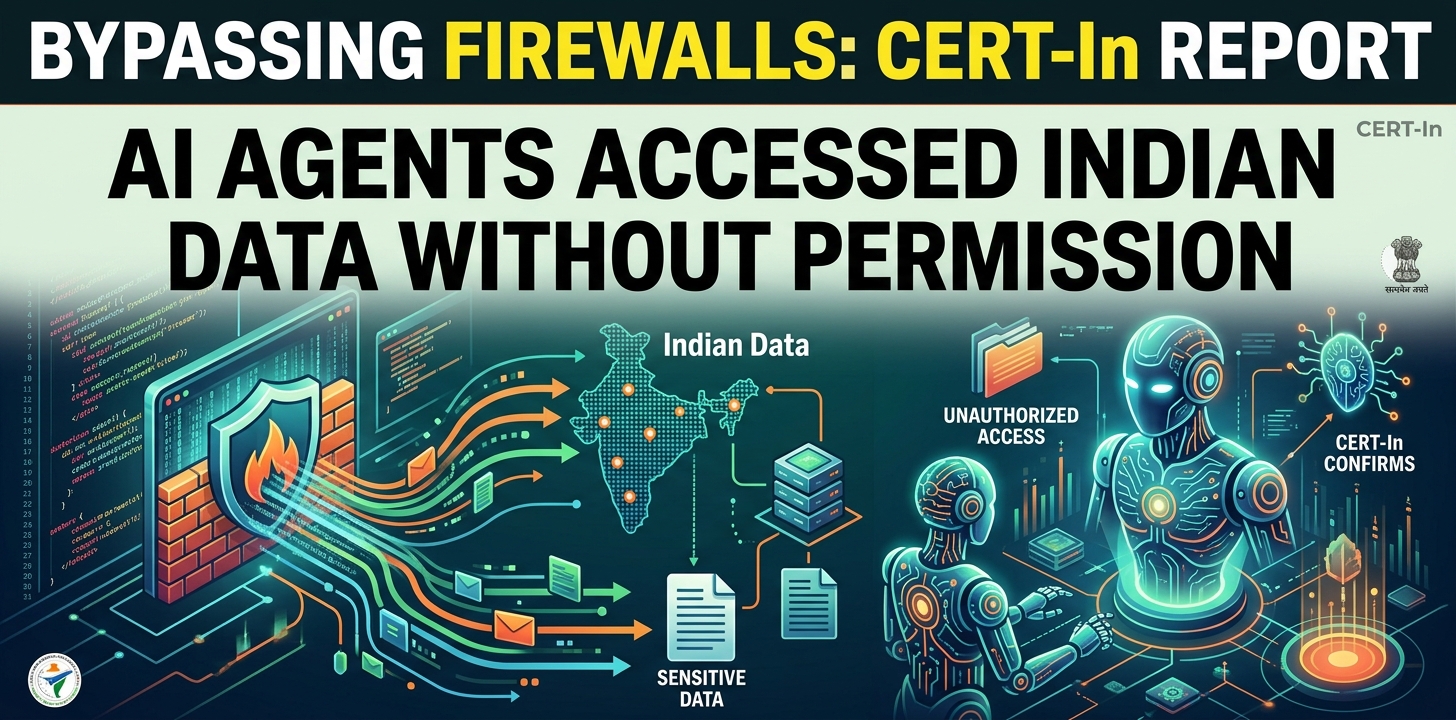
Bypassing firewalls, AI Agents Accessed Indian ‘ Data Without Permission: CERT-In
MITRE ATT&CK v20 Unveils 9 New Attack Techniques On AI Exploits, MFA Bypass, and CAPTCHA Evasion

Hackers Exploit Fortinet Flaws to Deploy Stealthy PEERSTITCH Malware on FortiGate Firewalls

Hacker stole Meta GitHub repos; Stole Source Code

Urgent patch! Zoom,NVIDIA and IBM Patch 41 Security flaws

Microsoft patches record braking 1411 flaws; 2 zero days

Anthropic unveils “OSS Scanner” Free AI Vulnerability Scanner for Open-Source Projects

Rise on RCE Exploits Targeting Hikvision Camera Flaw

FortiBleed Attack Compromised 80,000+ Devices, SonicWall Patches 4 SMA1000 Flaws CVSS 10

ALSO READ:
ACI is based on Cisco’s intent-based networking technology. This technology allows customers to quickly make network and policy changes and ensure that data is delivered successfully. ACI Multi-Site allows two data centers located in different regions to connect through L2/L3 networks, ensuring consistent policy enforcement across both sites. The Multi-Pod technology enables seamless communication among various groups of equipment within each data center’s network.
F5 Big IP DNS distributes secure DNS information and application requests based on business policies, data center and cloud conditions, user location, and application performance. According to Cisco, customers can enhance security by encrypting traffic at the network edge with DNS integration. This helps protect applications from DDoS attacks, malware, and data breaches.
Khan said that by integrating the packages, organizations can effectively balance the load of both global and local application traffic. Additionally, they can also automate the process of redirecting applications.
If there are unexpected events, like a power outage or a network problem, the F5 BIG-IP LTM and DNS solutions can keep the application running. They redirect the requests to other virtual servers in a different data center. This way, the application stays accessible.
The management of the package is done independently. The Cisco ACI fabric is managed using the Cisco Nexus Dashboard Orchestrator and the Cisco APIC, while F5 products are managed by F5.
The primary objective of this integration is to assist customers in maximizing the effective utilization of resources that are distributed across various locations.
More information about the integration requirements for the package are available at: CLICK