InfoSecBulletin Cybersecurity for mankind
Marquis Software Solutions has announced a data breach affecting multiple banks and credit unions in the US. Marquis Software Solutions offers data analytics, CRM tools, compliance reporting, and digital marketing to more than 700 banks, credit unions, and mortgage lenders.
Marquis reported a ransomware attack on August 14, 2025, in notifications to US Attorney General offices. This allowed the hackers to steal “certain files from its systems” during the attack.
MITRE ATT&CK v20 Unveils 9 New Attack Techniques On AI Exploits, MFA Bypass, and CAPTCHA Evasion
Hackers Exploit Fortinet Flaws to Deploy Stealthy PEERSTITCH Malware on FortiGate Firewalls

Hacker stole Meta GitHub repos; Stole Source Code
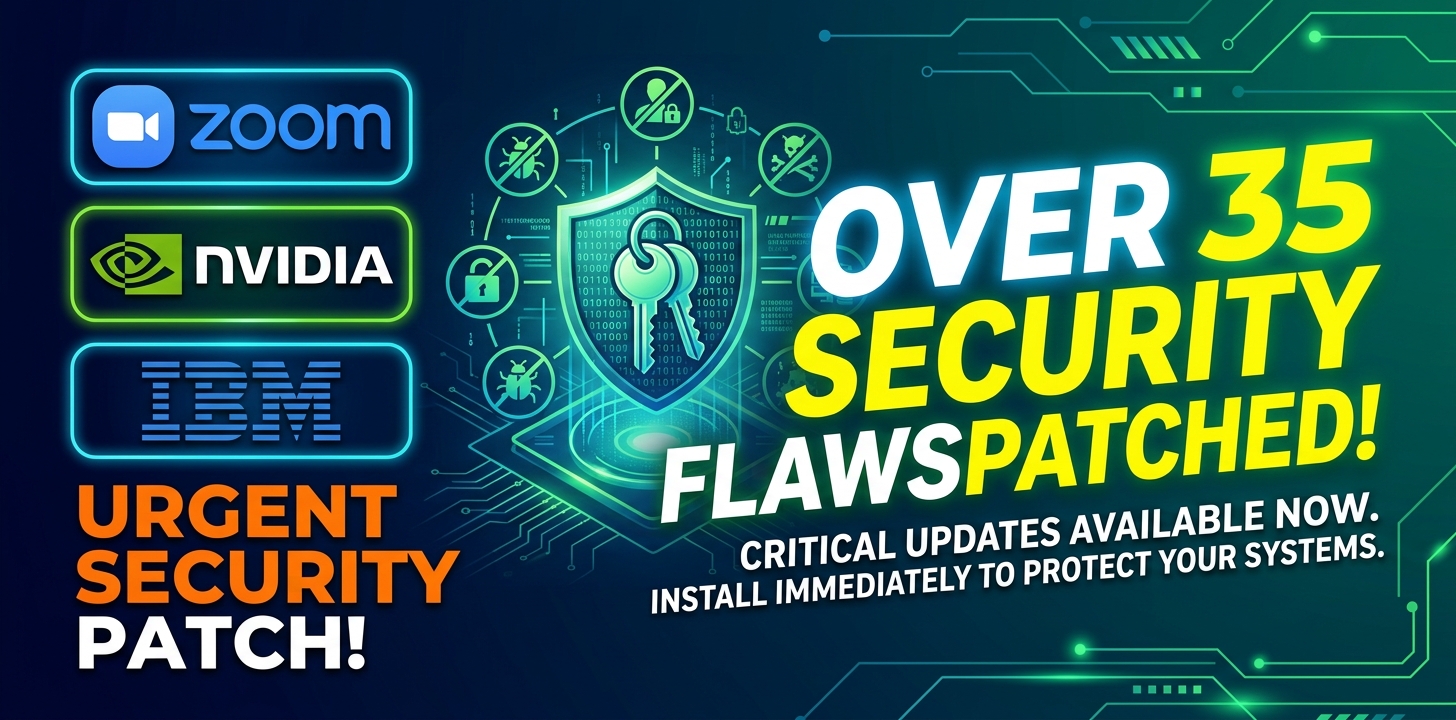
Urgent patch! Zoom,NVIDIA and IBM Patch 41 Security flaws
Microsoft patches record braking 1411 flaws; 2 zero days
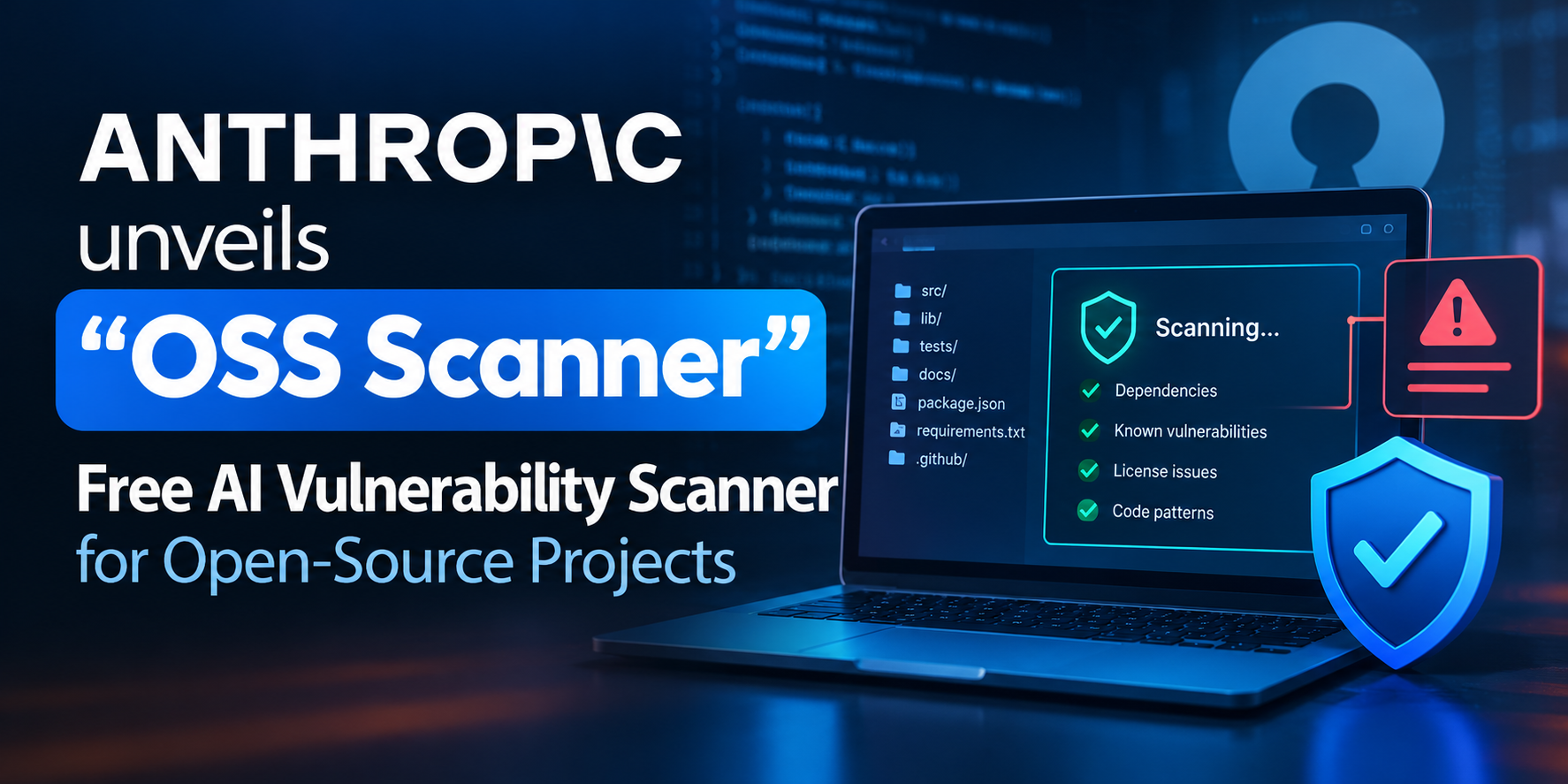
Anthropic unveils “OSS Scanner” Free AI Vulnerability Scanner for Open-Source Projects
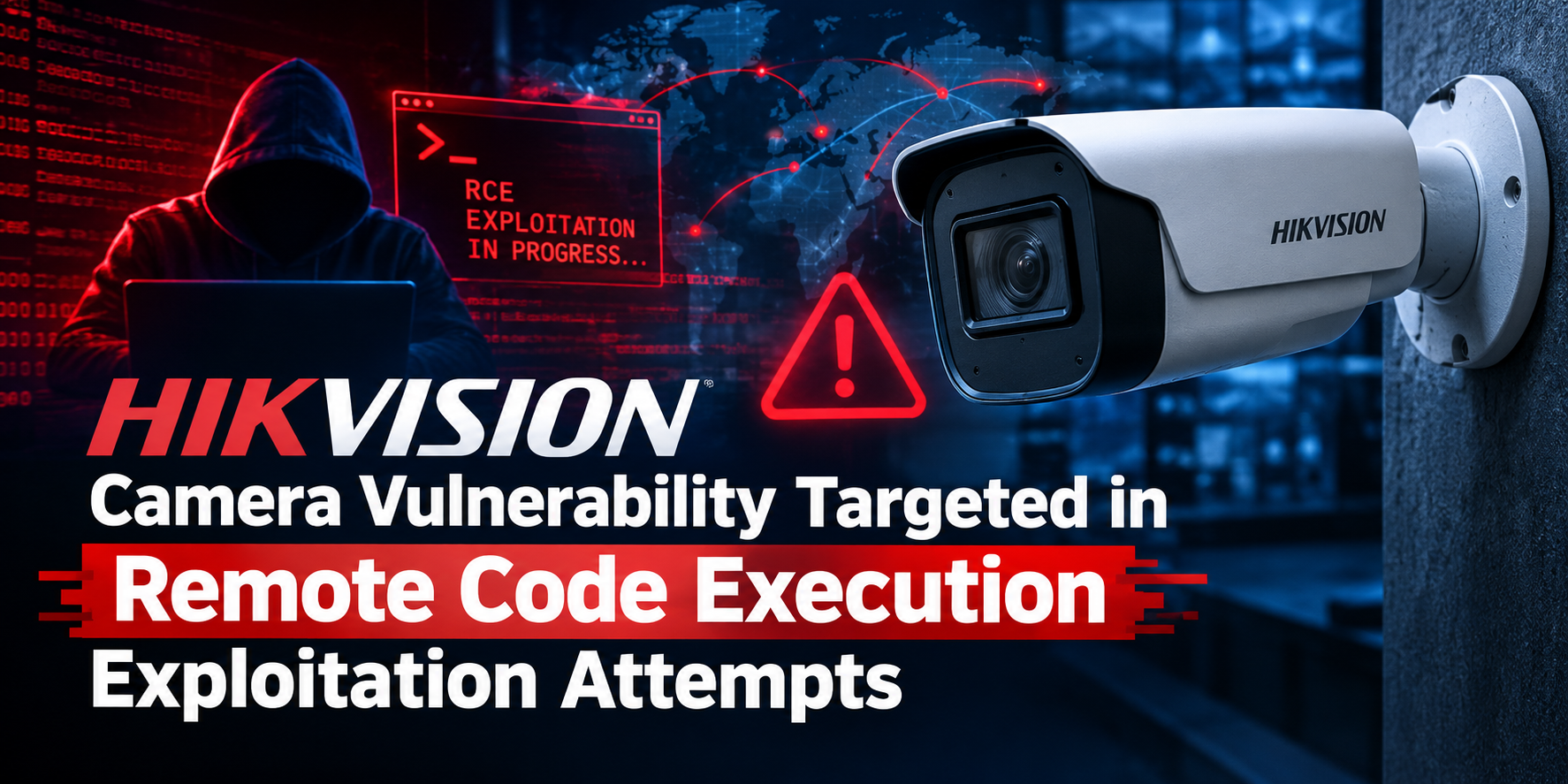
Rise on RCE Exploits Targeting Hikvision Camera Flaw
FortiBleed Attack Compromised 80,000+ Devices, SonicWall Patches 4 SMA1000 Flaws CVSS 10

Critical Atlassian & IBM Flaws Expose Files and Enable Remote Code Execution
Citrix NetScaler SAML 0-Day Flaw Under Attack
“The review determined that the files contained personal information received from certain business customers,” reads a notification filed with Maine’s AG office.
“The personal information potentially involved for Maine residents includes names, addresses, phone numbers, Social Security numbers, Taxpayer Identification Numbers, financial account information without security or access codes, and dates of birth.”
Marquis is filing notifications for its customers, detailing how many people were affected per bank in each state. These alerts indicate that similar data was compromised for customers in other states as well.
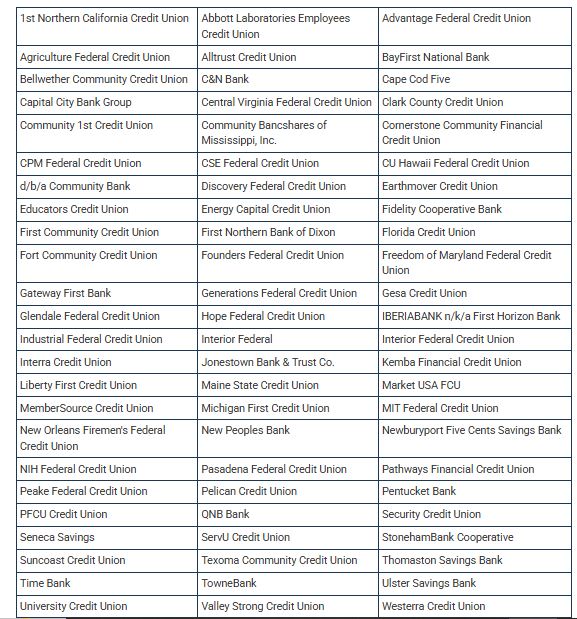
Over 400,000 customers have been affected by 74 banks and credit unions in Maine, Iowa, and Texas, according to filings. Marquis states that there is currently no evidence of data misuse or publication.
A deleted filing by Community 1st Credit Union mentioned that Marquis paid a ransom to prevent the misuse of stolen data, as previously reported by Comparitech.
“Marquis paid a ransomware shortly after 08/14/25. On 10/27/25 C1st was notified that nonpublic personal information related to C1st members was included in the Marquis breach,” reads the deleted notification seen by Comparitech.
While the company’s data breach notifications state only that it has “taken steps to reduce the risk of this type of incident,” a filing by CoVantage Credit Union with the New Hampshire AG shares further details about how the company is increasing security.
This notification states that Marquis has now enhanced its security controls by doing the following:
Ensuring that all firewall devices are fully patched and up to date,
Rotating passwords for local accounts,
Deleting old or unused accounts,
Ensuring that multi-factor authentication is enabled for all firewall and virtual private network (“VPN”) accounts,
Increasing logging retention for firewall devices
Applying account lock-out policies at the VPN for too many failed logins,
Applying geo-IP filtering to only allow connections from specific countries needed for business operations, and
Applying policies to automatically block connections to/from known Botnet Command and Control servers at the firewall.
These steps indicate that the threat actors likely gained access to the company network through a SonicWall VPN account, a known tactic used by some ransomware gangs, especially Akira ransomware.